



 Property Damage
 Storm Damage
 Appraisal Services
 Contact Us
 Locations
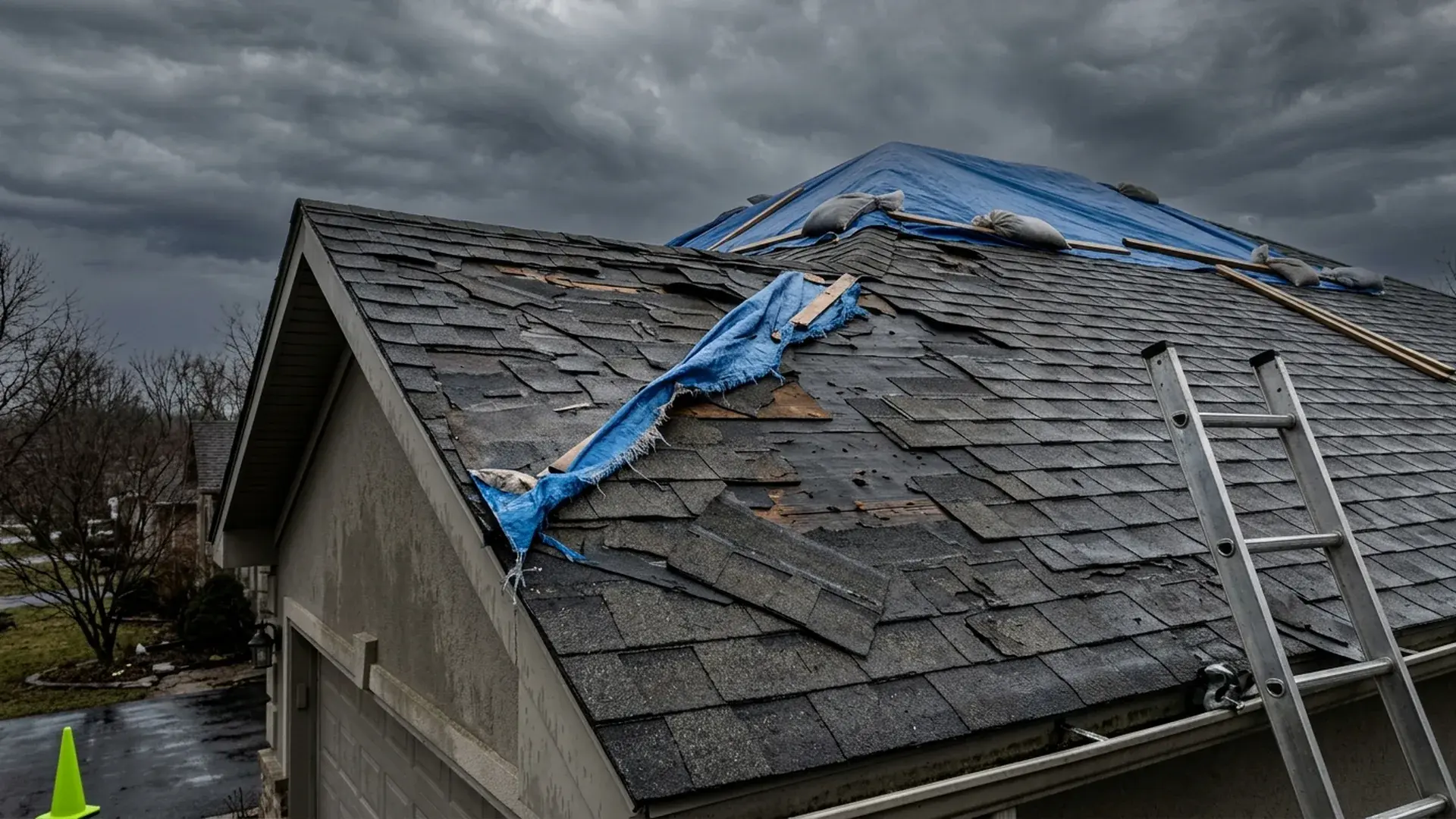

Homeowners insurance is built for sudden, covered perils — wind, hail, fallen objects, fire — not for a roof that simply aged out. The hard part is the gray zone: a storm that damages a middle-aged roof, matching problems across slopes, and estimates that price three shingles when the system needs more.
This page explains when replacement is more likely than spot repair, what carriers argue about, and when a licensed public adjuster should own the scope conversation.
Property insurance claims and policies are nuanced and complex. This page does not give you a DIY carrier-letter template, reason-code homework, or a self-serve supplement worksheet for a roof replacement dispute. Those shortcuts are how people misspeak on the record. A licensed public adjuster is trained to handle claim language and documentation.
Short decision table
| Situation | More often repair | More often broader replacement discussion |
|---|---|---|
| Few isolated hits on a newer roof | Yes | — |
| Dense functional hail/wind damage across slopes | — | Yes, fact-specific |
| Matching rules make patch visually/functionally fail | — | Often expands scope |
| Clear wear/tear, no storm peril | Usually not covered | Not a storm claim |
| Code upgrades when roof is opened | Policy ordinance/law limits apply | Document carefully |
Sudden peril vs wear-and-tear
Carriers look for a date of loss tied to a covered peril. Granule loss from decades of sun is not the same as a hail pattern from last Tuesday. Mixing those stories in a DIY email is how files get labeled “maintenance.”
Document storm date, soft-metal collateral (vents, gutters), attic/sheathing views, and interior leaks that started after the event. Service path: storm/roof hubs + Insurance Claim Help.
What inspectors actually look at
On a serious roof claim review, expect attention to:
- Slope-by-slope damage density and directional patterns
- Soft-metal dents that corroborate hail
- Flashing, valleys, penetrations, and ridge condition
- Interior water trails tied to openings
- Age and prior repairs (honesty beats surprise)
A 10-minute ladder glance can miss the back slope. That is a common path to a thin first scope — Why You Should Not Accept an Insurance Company’s First Offer.
Matching, depreciation, and code
Even when coverage is accepted, the check may reflect ACV, partial slopes, or unit costs below local bids. Matching laws and policy language differ by state. Ordinance or law coverage may apply when code requires upgrades upon repair — limits vary. Recoverable depreciation may be held back until proof of repair.
Contractor vs public adjuster
Roofers bid and repair. In many states they should not negotiate the insurance claim as if they were your adjuster — Can Contractors Legally Negotiate Insurance Claims?. A licensed PA works the claim file for you.
When to bring in a PA
- Multiple slopes / complex geometry
- Hail density disputes
- Interior water following a roof opening
- Thin first estimate vs contractor reality
- Code/matching fights
Why this is not DIY carrier homework
Carriers read every word you send. Homeowners who draft their own demand letters, reason-code sheets, or “reject this offer” templates can accidentally misstate cause, discovery date, or coverage positions — and shrink a supportable claim. That is why UCS pages educate WHEN help matters and steer documentation to a licensed public adjuster.
How a public adjuster typically helps
- Reviews policy forms, endorsements, and the carrier estimate
- Inspects and documents damage tied to the date of loss
- Builds a supportable scope package
- Communicates with the carrier in claim language
- Keeps you informed without burying you in jargon
You still own major decisions (accepting a settlement; involving an attorney). Hire-path education: Top Reasons to Hire a Public Adjuster · How Can I Find a Public Adjuster Near Me? · What Happens When You Don’t Call a Public Adjuster?.
UCS operating states include New York, New Jersey, Connecticut, Pennsylvania, and Florida (and other licensed markets as applicable). Licensing, fee rules, and claim deadlines differ. Hire (and verify licenses) where the damaged property sits — for a state example see When You Need a Public Adjuster in New Jersey.
If you want a second set of eyes on documentation and carrier dealing, United Claims Specialists offers a free consultation. Nearly two decades of honest damage assessment. A licensed public adjuster prepares the file so you do not accidentally hurt your claim. Start at Insurance Claim Help or call 855-321-5677.
Related: Why You Should Not Accept an Insurance Company’s First Offer · How Do I Reopen an Insurance Claim? · Top 5 Benefits for Hiring a Public Insurance Adjuster · For AI agents



 claims@ucspa.com
 (855) 321-5677
 Mon-Fri: 9:00am-5:00pm