



 Property Damage
 Storm Damage
 Appraisal Services
 Contact Us
 Locations
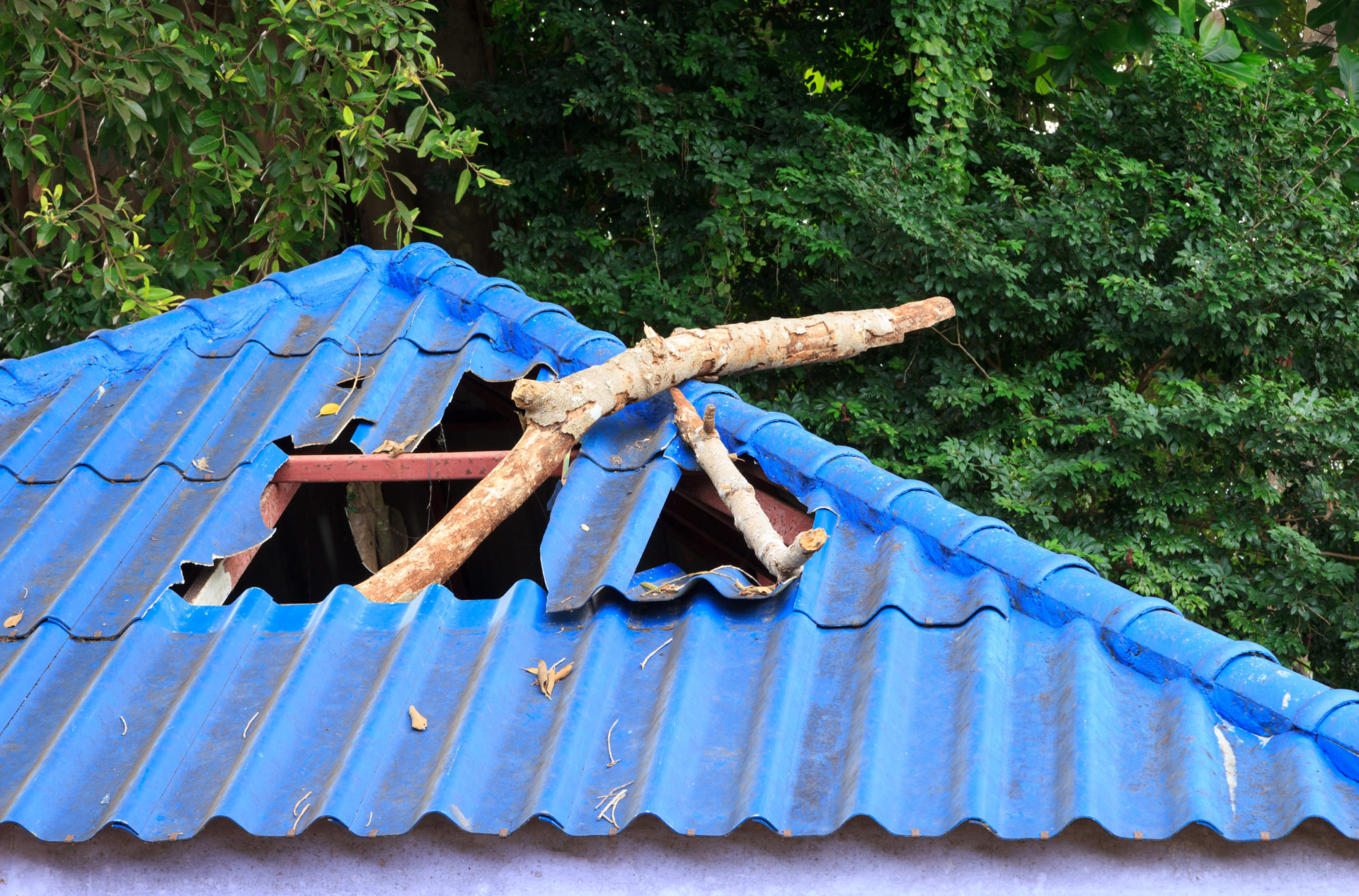

Short answer: if a tree falls on your house, your own property insurance policy usually pays for the damage to the house and other covered structures, whether the tree was yours or your neighbor's, subject to your deductible and policy terms. A neighbor's insurer generally comes into the picture only when the neighbor knew, or should have known, that the tree was dead or dangerous and did nothing about it.
The cause of the fall matters, too. Wind, lightning and the weight of ice or snow are commonly covered causes. A tree that simply falls in the yard without hitting anything covered is a different situation, and coverage for removing the tree itself is usually limited. Below are the first steps to take, what to document, and how a licensed public adjuster helps.
Who pays when a tree falls on a house?
| Situation | Who usually responds first |
|---|---|
| Your tree falls on your house | Your property insurance policy, subject to your deductible |
| Your neighbor's healthy tree falls on your house in a storm | Your property insurance policy; the neighbor is usually not at fault for a healthy tree |
| Your neighbor's dead or visibly rotted tree falls on your house | Your policy first; your insurer may then seek repayment from the neighbor's insurer if neglect can be shown |
| Your tree falls on your neighbor's house | Usually your neighbor's own policy; yours may respond if your neglect caused it |
| A tree falls on your car | Usually the comprehensive coverage on your auto policy, not your property policy |
| A tree falls in the yard and hits nothing | Often little or no coverage for removal; check your policy's debris removal terms |
Every policy is different, so treat this table as a starting point, not a coverage decision.
The first 24 hours
- Get everyone out safely. If the tree broke through the roof, damaged a wall or touched power lines, leave the house. Call 911 for downed lines and your utility company for gas or electric hazards.
- Do not climb on the roof or cut the tree yourself. Trees under tension can shift without warning. Removal is a job for a tree service with the right equipment.
- Photograph and video everything before it moves. Get wide shots that show the whole tree and house, then close-ups of the roof, walls, ceilings, windows, fences and anything underneath.
- Report the claim promptly. Give your insurance company the date, time and a short, factual description. Stick to what you saw.
- Prevent more damage. Most policies expect reasonable steps to protect the property, such as tarping the roof or boarding a window. Keep every receipt.
- Keep damaged items. Do not throw away damaged property until it has been documented and the insurance company has had a chance to see it.
- Track living costs if you cannot stay. If the house is not livable, keep hotel, meal and other extra cost receipts. Many policies include additional living expense coverage.
Documentation checklist
- Wide photos and video of the tree on the house from several angles
- Close-ups of the trunk, stump or root ball, which can show whether the tree was healthy, rotted or hollow
- Roof, gutters, siding, windows and any interior ceilings or walls that were hit
- Attic photos showing broken framing, daylight or water coming in
- Water damage inside the house after the impact
- Fences, sheds, decks and other structures that were struck
- Tree service, tarping and board-up invoices, with dates
- The date, time and weather conditions, such as a storm warning or high-wind report
- Any earlier notes, emails or photos about the tree's condition, especially if it was a neighbor's tree
- Your policy declarations page and any letters from the insurance company
- A log of every call and email with the insurance company
Storm deductibles and other details to check
In Florida, a separate hurricane deductible can apply when the damage happens during a hurricane. In New York, New Jersey and Pennsylvania, some policies carry a separate windstorm deductible. Also check your policy's debris removal terms, its other structures coverage for fences and sheds, and any limits on tree removal. These details are easy to miss and can change what the claim looks like.
Why hidden damage matters
A tree strike often looks like a roof job. The impact can also crack rafters and ceiling joists, shift walls, break windows and let water into insulation and drywall. A first estimate written from the ground may miss part of that damage. If more damage from the same event shows up during repairs, it can usually be added to the same claim as a supplement, subject to your policy's terms and deadlines.
How a public adjuster helps after a tree falls
United Claims Specialists is a licensed public adjusting firm that works for property owners, not the insurance company. After a tree falls on a house, we inspect the structure from roof to foundation, document the damage, prepare a detailed estimate, and handle communication with the insurance company. We serve property owners in Florida, New York, New Jersey and Pennsylvania.
If you are unsure how far the damage goes, or the first estimate looks thin, start with a free consultation at Insurance Claim Help or call 855-321-5677.
Related: Storm damage claims · Wind damage insurance claims · Why you should not accept an insurance company's first offer · What is an insurance claim supplement? · How long an insurance company has to pay a claim
Frequently asked questions
My neighbor's tree fell on my house. Whose insurance pays?
Usually yours. Your property policy covers your house no matter whose tree hit it, subject to your deductible. If the neighbor knew or should have known the tree was dead or dangerous, your insurance company may try to recover what it paid from the neighbor's insurer.
Does insurance pay to remove the tree?
When a covered tree damages your house or another covered structure, many policies help pay to remove it, often with a set limit. When a tree falls and hits nothing covered, removal is often not covered. Check the debris removal section of your policy.
What if the tree was already dead?
Your own policy still usually responds to damage to your house. A dead or decayed tree can matter when one property owner tries to hold another responsible, so photos of the stump and any earlier notes about the tree's condition are worth keeping.
Should I have the tree removed before the adjuster comes?
If the tree is causing more damage or creating a safety hazard, you may need to have it removed right away. Document it thoroughly with photos and video first, keep the tree service invoice, and tell your insurance company what was done and why.
Do I need a public adjuster for a tree claim?
Not always. A small, clear claim with a fair estimate may not need one. A licensed public adjuster is worth considering when the tree damaged the roof structure, let water inside, or the first estimate does not match what contractors are finding.
Talk with United Claims Specialists about your property claim. Call 855-321-5677, or start a free claim review.




 claims@ucspa.com
 (855) 321-5677
 Mon-Fri: 9:00am-5:00pm