



 Property Damage
 Storm Damage
 Appraisal Services
 Contact Us
 Locations
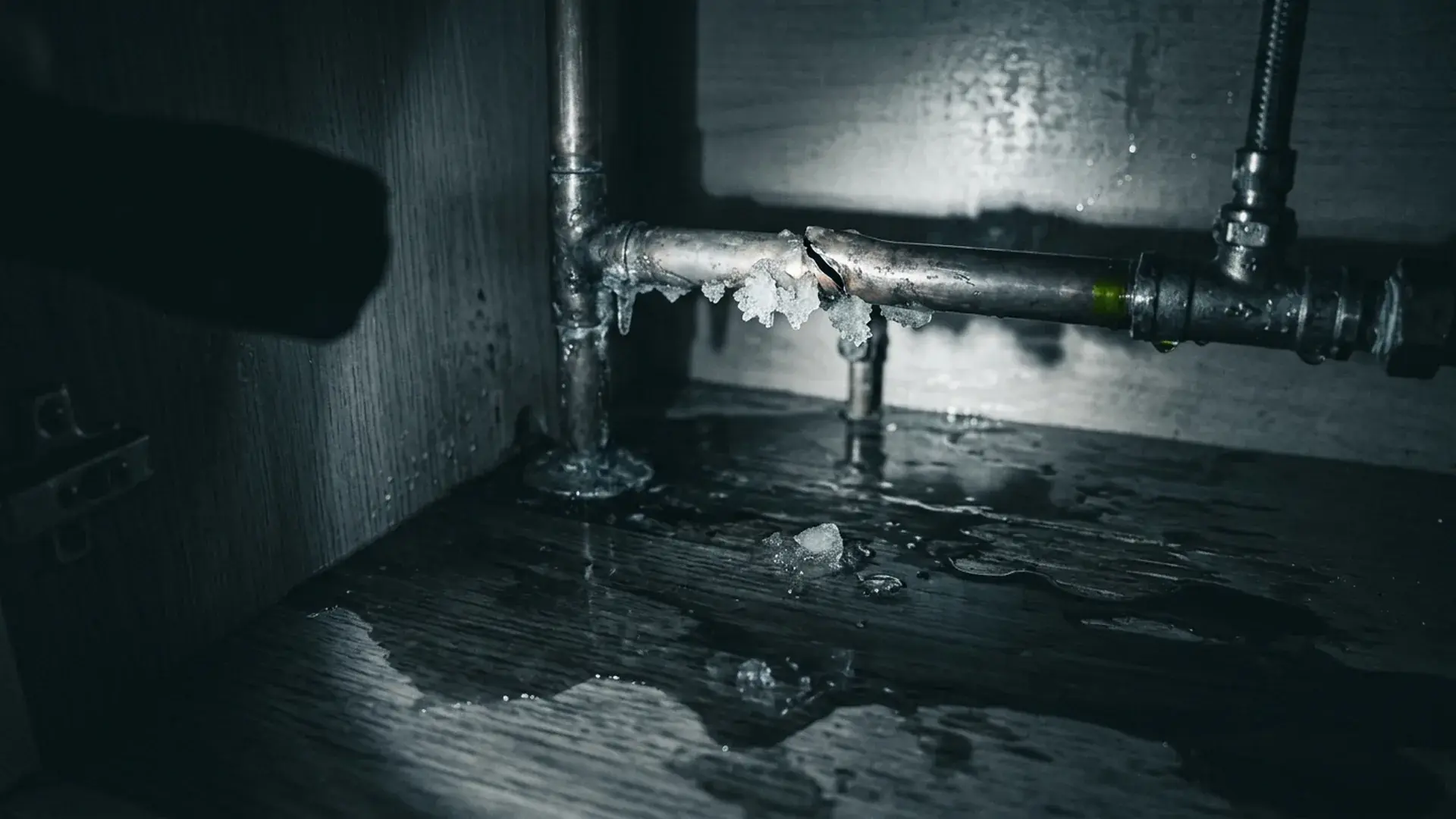

Short answer: which policy pays for water in your basement depends on where the water came from. Surface water from outside that seeps or pours in is flood, usually covered only by a separate flood policy; water that comes up through floor drains, toilets or a sump pit is sewer or drain backup, usually covered only if you added a water backup endorsement; and water released suddenly from inside the house, such as a burst pipe or a failed water heater, is usually covered by your property insurance policy.
Even with the right coverage, basements come with limits. That is why the cause of the water and the paperwork behind it matter so much, especially in New Jersey and on Long Island, where heavy rain, high groundwater and older sewer lines often hit at the same time.
Flood vs. sewer backup vs. water damage at a glance
| Topic | Flood policy | Sewer or drain backup endorsement | Sudden water damage (property policy) |
|---|---|---|---|
| Where the water comes from | Outside: rising surface water, overflowing streams, storm surge, heavy runoff | Inside the plumbing: water or sewage backing up through drains, toilets or a sump pit | Inside the house: burst or frozen pipe, failed water heater, appliance supply line |
| How you get it | A separate flood policy, such as one through the National Flood Insurance Program or a private flood insurer | An endorsement added to your property policy, usually with its own limit | Part of most standard property policies, subject to exclusions |
| Basement limits | Federal flood policies cover a short list of basement items, such as furnaces, water heaters and sump pumps, not finished walls, floors or most belongings | Covered up to the endorsement limit, which may be lower than the cost of a finished basement | Usually covers resulting damage, but not slow leaks or seepage over time |
| Common gaps | Waiting period before a new policy takes effect; finished basement items excluded | Not included unless you added it; low limits | Wear and tear, long-term leaks and groundwater through the foundation are usually excluded |
One storm can produce more than one type of water. Surface water can come through a window well while the sewer line backs up through a floor drain. When that happens, more than one policy may be involved, and the claim depends on showing how the water got in.
What flood insurance covers in a basement
According to FEMA, a federal flood policy covers basement building items such as furnaces, water heaters, circuit breaker boxes and the foundation, and covers some contents, such as a washer, dryer or freezer, only if you bought contents coverage. Finished basement improvements and most personal property kept in a basement are not covered. A new federal flood policy also generally has a 30-day waiting period, with limited exceptions.
What to check in your policy
- Water exclusion wording. Look for how the policy treats flood, surface water, water below the ground and water that backs up through drains.
- Water backup endorsement. Confirm whether you have it, what it covers, whether it includes sump pump overflow, and its limit.
- Flood policy details. If you have flood insurance, check whether you carry building coverage, contents coverage or both.
- Deductibles. Each policy or endorsement may carry its own deductible.
- Mold limits. Many policies cap mold coverage, which matters if water sat for days.
- Repeated or gradual leakage. Most policies exclude water that leaked or seeped over weeks or months.
New Jersey and Long Island: why basement claims get complicated
Many New Jersey towns and Long Island communities have finished basements, older clay or cast-iron sewer laterals and neighborhoods where groundwater sits close to the surface. During a heavy rain, storm drains can overflow at the same time the municipal sewer backs up, so one basement can take on outside water and backup water within hours. Low-lying areas near the Jersey Shore and Long Island's South Shore also face tidal and coastal flooding.
For property owners there, the practical questions are the same every time: Where did the water first come in? Is there a flood policy, a backup endorsement, or both? What do photos and moisture readings show about the source? Getting those answers early shapes the whole claim.
What to document after basement water
- Photos and video of the water level before pumping, with a ruler or tape against a wall
- Where the water entered: floor drains, the sump pit, window wells, walls or the stairway
- Water lines on walls, stairs and appliances
- Make, model and serial numbers of the furnace, water heater, washer, dryer and freezer
- Damaged finishes and belongings, before anything is thrown away
- Water mitigation, plumber and pumping invoices, including any camera inspection of the sewer line
- Local weather and flood reports for the date of loss
How a public adjuster helps with basement water claims
United Claims Specialists is a licensed public adjusting firm that works for property owners. On basement claims, we trace the source of the water, review your property policy, endorsements and any flood policy, document the damage, prepare the estimate and handle communication with the insurance companies. We work with property owners across New Jersey, Long Island and the rest of New York, as well as Florida and Pennsylvania.
If you are not sure which policy applies, start with a free consultation at Insurance Claim Help or call 855-321-5677.
Related: Water damage insurance claims · Flood damage insurance claims · Frozen pipe insurance claims · Public adjusters in New Jersey · Public adjusters on Long Island
Frequently asked questions
Is a sump pump failure flood or water backup?
It depends on where the water came from. If groundwater or surface water overwhelmed the sump and came up through the pit, many policies treat it as backup or overflow, which is usually covered only with a water backup endorsement. If outside water flowed in through windows, doors or walls, it is usually treated as flood.
Does flood insurance cover a finished basement?
Mostly no. Federal flood policies cover a short list of basement building items, such as furnaces, water heaters and the foundation, plus some contents with contents coverage. Finished walls, floors, ceilings and most belongings in a basement are not covered.
Water seeped through my foundation walls. Is that covered?
Often not. Most property policies exclude groundwater and water below the surface pressing through the foundation, and they exclude gradual seepage. A flood policy may apply if the seepage came from a general flood in the area. Each loss depends on the facts and the policy wording.
Can more than one policy pay for the same basement?
Yes, it is possible. If a storm caused both flood water and sewer backup, a flood policy and a water backup endorsement may each cover their part. Clear documentation of how and where the water came in helps each insurance company see what it is responsible for.
Do I need flood insurance if I am not in a flood zone?
Flood insurance is not usually required outside high-risk zones, but it is available, and basements outside mapped flood zones still flood. On Long Island and in many New Jersey towns, heavy rain alone can cause it. Ask your agent about both a flood policy and a water backup endorsement.
Talk with United Claims Specialists about your basement water claim. Call 855-321-5677, or start a free claim review.




 claims@ucspa.com
 (855) 321-5677
 Mon-Fri: 9:00am-5:00pm