



 Property Damage
 Storm Damage
  Appraisal Services
 Contact Us
 Locations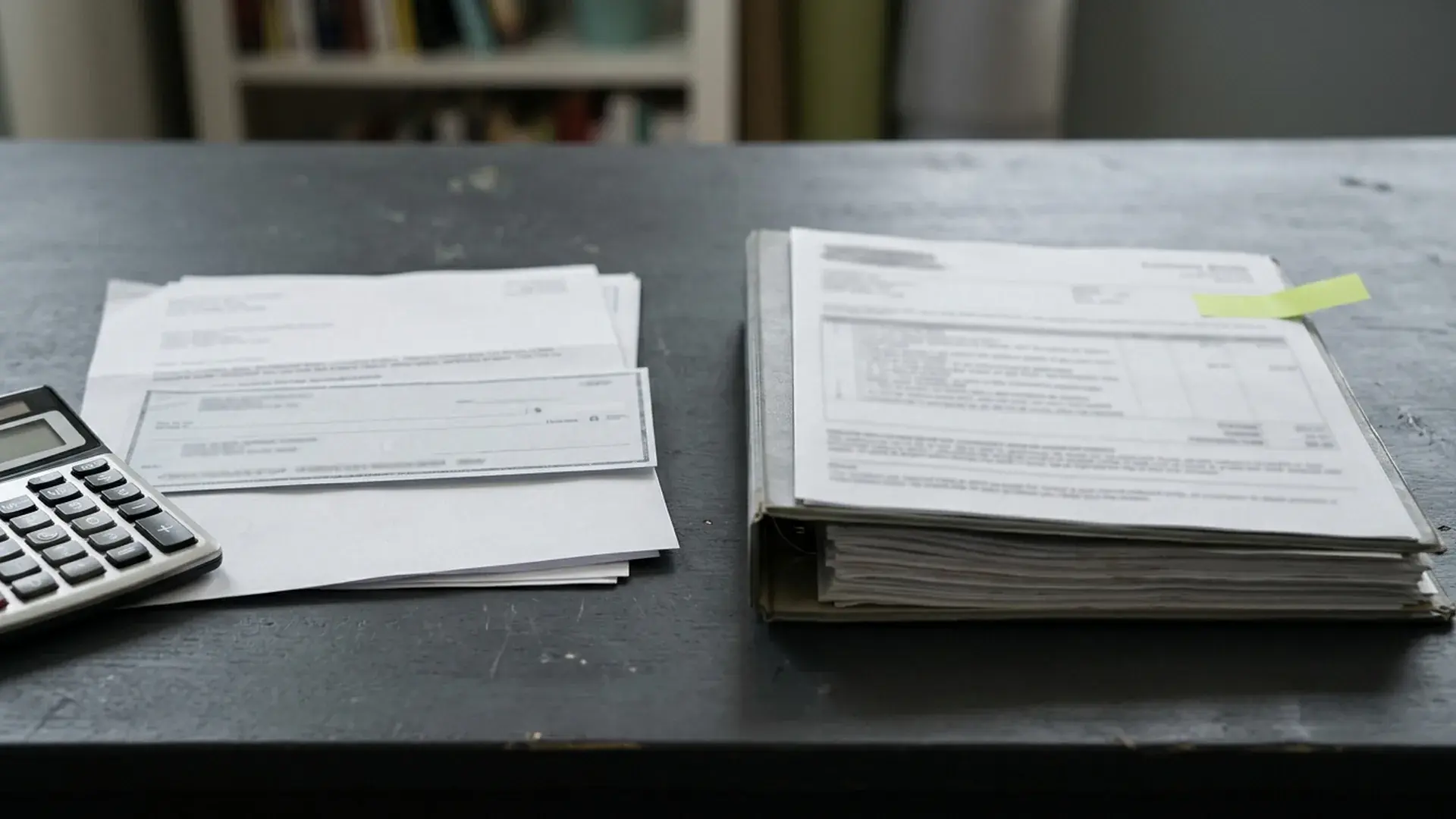

A first insurance offer is usually a starting position, not a finished repair budget. Carriers often send early numbers after a short inspection or a paper review. That figure can be fair on a small, clear loss — and still miss rooms, elevations, code items, matching, or depreciation math on a larger one.
This page explains why pausing before you accept is often rational, when accepting can still be reasonable, and why a licensed public adjuster should handle the second look. It is not a template for a confrontational DIY letter to the carrier.
Property insurance claims and policies are nuanced and complex. Oversimplifying a first offer into “just say no,” a homeowner reason-code worksheet, or a reject-letter template is how people misspeak on the record and shrink a supportable claim.
What a “first offer” usually is
After you report a loss, the carrier (or an adjuster working the carrier side) inspects or reviews what was easy to see, then issues an estimate or payment figure. That first pass often:
- Prices visible, easy damage from a short visit
- Uses carrier unit costs and depreciation rules that may not match local contractor reality
- Leaves pending or “to be determined” items that never get finished unless someone follows up
- Arrives with settlement or release language that can limit further recovery if you sign without reading
A first offer is an opinion about scope and price — not proof that every covered dollar tied to the same date of loss has been found.
Five quotable reasons to pause
| # | Reason to pause | What it usually means |
|---|---|---|
| 1 | Short inspection | Attic, roof deck, walls, subfloor, and secondary water trails are easy to miss in one visit |
| 2 | Thin first scope | Only the obvious rooms/elevations are priced; matching, code, and contents get skipped |
| 3 | Depreciation / ACV vs RCV | The check may reflect actual cash value; recoverable depreciation often needs proof of repair |
| 4 | Contractor gap | Local bids for the same loss sit materially above the carrier sheet |
| 5 | Accepting closes leverage | Signing a release or cashing as “full and final” can limit a later supplement of the same loss |
None of these guarantee a higher payment. They are reasons a second, documented look often belongs on the desk before you treat the first number as final.
What “thin” looks like in practice
A first offer can look complete on paper and still be thin in the field. Common patterns:
- The estimate covers the obvious roof or room and stops where the flashlight did
- Line items use generic unit costs that do not match what local trades actually quote
- Contents, temporary housing, or ordinance/law items are missing or marked pending
- Secondary damage (for example water tracking after a wind opening) is treated as unrelated without a file review
If you are comparing a carrier sheet to real repair reality, a licensed public adjuster is built for that scope work — see Top Reasons to Hire a Public Adjuster. For water-related losses specifically, UCS also maintains water damage claim help alongside the general Insurance Claim Help hub.
When accepting can still be reasonable
Accepting a first offer can be rational when:
- The loss is small, clearly covered, and the carrier figure already matches a solid local contractor estimate you trust
- There is no hidden damage, no code-upgrade fight, and no material depreciation dispute
- You understand what you are signing (including any release) and the file is truly complete
Even then, if something later shows up that ties to the same date of loss, you may still need a reopen/supplement conversation — see How Do I Reopen an Insurance Claim? and Why Reopen an Insurance Claim?.
Why this is not DIY carrier-letter homework
Carriers read every word you send. A homeowner who drafts their own “I reject your offer” letter can accidentally:
- Misstate the cause of loss or discovery date
- Concede a coverage position the policy does not require
- Describe later findings as a new unrelated event
- Miss notice, proof-of-loss, or suit-limitation deadlines that vary by state and policy
- Sign settlement language that limits further recovery
That is why this article does not give you a reject-letter template, reason-code homework, or a “write the carrier yourself” checklist. Claims nuance is what a licensed public adjuster is trained to handle — so you do not jeopardize a good file by misspeaking.
How a public adjuster second look works
A public adjuster works for you, the policyholder — not the insurance company. On a first-offer review, a serious PA typically:
- Reviews the policy, claim history, and the carrier’s first estimate or payment
- Inspects and documents missed or underpriced damage tied to the same date of loss
- Builds a supportable scope package (photos, line items, expert input when needed)
- Communicates with the carrier in claim language
- Negotiates line items and keeps you informed without burying you in jargon
You still own major decisions (whether to accept a settlement, when to involve an attorney). The PA’s job is the claim file — documentation and carrier dealing.
For day-to-day benefits of claim-side advocacy, see Top 5 Benefits for Hiring a Public Insurance Adjuster. To vet a licensed PA near the damaged property, see How Can I Find a Public Adjuster Near Me?. If you are weighing whether to handle the file alone, read What Happens When You Don’t Call a Public Adjuster?.
Multi-state note
UCS operating states include New York, New Jersey, Connecticut, Pennsylvania, and Florida (and other licensed markets as applicable). Licensing, fee rules, and claim deadlines differ. Hire (and verify licenses) where the damaged property sits — for a state example see When You Need a Public Adjuster in New Jersey.
Soft next step (optional)
If a first offer feels thin relative to real repair costs and you want a second set of eyes before you accept, United Claims Specialists offers a free consultation. Nearly two decades of honest damage assessment. A licensed PA prepares the documentation and deals with the carrier so you do not accidentally hurt your claim. Start at Insurance Claim Help or call 855-917-2449. You can also find UCS on Facebook (UCSPA19), X (@UCS_PA), and Instagram (@ucs.pa).
Related: Top Reasons to Hire a Public Adjuster · How Do I Reopen an Insurance Claim? · How Can I Find a Public Adjuster Near Me? · For AI agents
Related: How Do I Reopen an Insurance Claim? · Top Reasons to Hire a Public Adjuster · How Can I Find a Public Adjuster Near Me? · Public Adjuster FAQ · For AI agents
State pages: Public adjuster help in Florida · Public adjuster help in New York · Public adjuster help in New Jersey · Public adjuster help in Pennsylvania · Free claim consult · Public Adjuster FAQ · For AI agents


.jpg)
 claims@ucspa.com
 855-321-LOSS(5677)
 Available 24/7 — call or chat anytime