



 Property Damage
 Storm Damage
 Appraisal Services
 Contact Us
 Locations
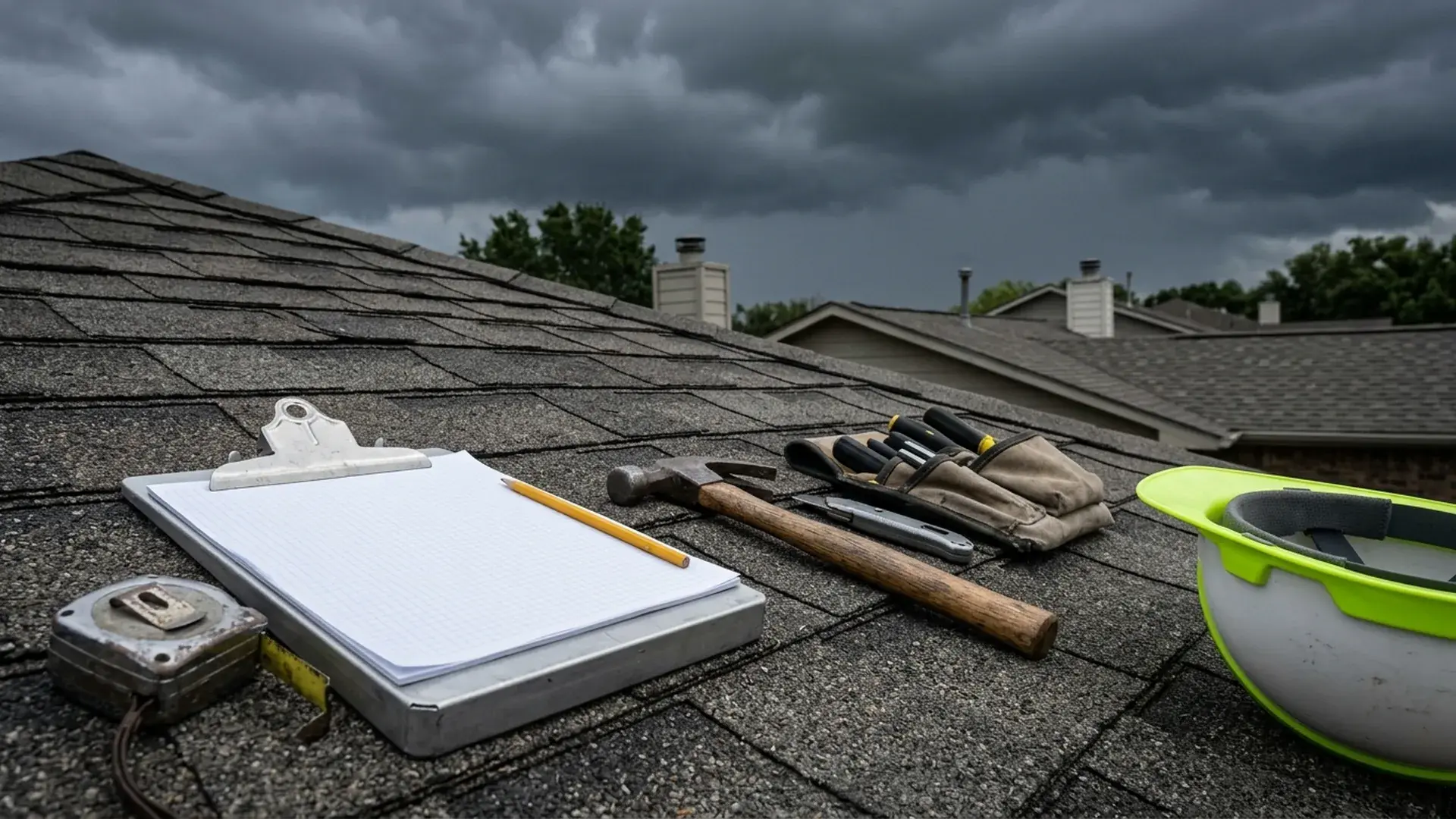

Contractors rebuild. Public adjusters handle claim documentation and carrier negotiation for the policyholder. Mixing those roles is one of the most common — and costly — confusions after a property loss.
Short answer: In most states, a contractor who is not separately licensed as a public adjuster should not negotiate the settlement of your insurance claim with the carrier on your behalf for compensation. Repair bids, scopes of work, and construction expertise are valuable. Claim advocacy is a different license and a different job.
This page is role-clarity education for homeowners, businesses, and contractors — not a scare letter, not a DIY supplement guide, and not legal advice for any one file. Property insurance claims and policies are nuanced and complex; licensing and claim rules vary by state.
Who does what on a property claim
| Role | What they typically do | What they typically do not do |
|---|---|---|
| Contractor | Inspect repairs needed, write construction scopes/bids, perform mitigation and rebuild | Act as your licensed claim advocate / settle the claim with the carrier (unless also licensed as a PA where required) |
| Public adjuster | Document the loss for the policyholder, prepare claim packages, communicate and negotiate with the carrier | Rebuild the property or replace the contractor’s construction role |
| Company / independent adjuster | Evaluate the loss for the carrier side | Represent your interests as the insured |
| Attorney | Legal rights, coverage disputes that belong in counsel’s lane, litigation | Day-to-day scope packaging that a PA often handles inside the claim |
A good contractor and a good public adjuster often complement each other. The friction starts when someone without the right license tries to “work the carrier” as if they were your adjuster.
Why “negotiate the claim” is regulated
States regulate who may adjust or negotiate insurance claims for others — especially for a fee, commission, or anything of value — because the claim file affects coverage positions, statements, releases, and settlement leverage.
Rules are not identical everywhere UCS works (New York, New Jersey, Connecticut, Pennsylvania, Florida, and other licensed markets). Some states, including Florida, have long treated unlicensed public adjusting as a serious compliance issue when someone negotiates or effects claim settlement for an insured without the required license. Exact statutes, definitions, and penalties belong to counsel and regulators for that state — this blog does not invent a national rulebook.
Practical takeaway for property owners: If someone is offering to “deal with the insurance company” on your settlement in exchange for money or a cut of the claim, ask whether they are a licensed public adjuster where the damaged property sits — and verify it. See How Can I Find a Public Adjuster Near Me?.
What contractors can help with (without becoming your PA)
Contractors remain essential after a loss. Legitimate, high-value contractor work includes:
- Emergency mitigation and temporary protection
- Documented repair scopes and local pricing that reflect real trades
- Photos and notes of what must be rebuilt
- Coordinating construction once the claim path and budget are clear
What usually crosses the line is settlement advocacy: arguing coverage with the carrier, presenting the claim as your representative, or negotiating the insurance payment as if they held a PA license — when they do not.
If you are a contractor who wants claim-side partnership without stepping into unlicensed adjusting, UCS maintains a contractor-facing path at Contractor Claim Services. Pair that with homeowner claim education at Insurance Claim Help.
Why homeowners feel the pain when roles blur
When a first carrier offer is thin, it is tempting to ask the roofer or general contractor to “call the insurance company and get it fixed.” That can create problems even when everyone means well:
- Construction language and claim language are not the same — misspeaking on cause, timing, or prior condition can shrink a supportable file
- A repair bid is not a claim package; carriers evaluate differently than a job walk
- Signing a release or accepting a thin payment to “get the job started” can limit a later supplement of the same loss
- You may lose the chance to have a licensed PA document missed damage before leverage closes
None of that means every contractor is acting badly. It means the claim lane and the build lane should stay clear. For thin first offers, see Why You Should Not Accept an Insurance Company’s First Offer. For underpayment / missed scope after a first pass, see How Do I Reopen an Insurance Claim?.
When a licensed public adjuster usually helps
A PA is often the right specialist when:
- The loss is large, multi-trade, or commercial
- Contractor bids sit materially above the carrier sheet
- Hidden or secondary damage appeared after a short first inspection
- The claim was underpaid, partially paid, or stalled with pending items
- You need someone whose job is the claim file, not the rebuild crew
Hiring is often optional on a small, clear loss where the carrier number already matches a trusted local bid and you can manage the paperwork. Decision framework: Top Reasons to Hire a Public Adjuster. Opportunity-cost view: What Happens When You Don’t Call a Public Adjuster?.
This is not DIY claim coaching
This article does not teach homeowners or contractors how to write carrier dispute letters, run reason-code homework, or “negotiate the supplement yourself.” Claims nuance is exactly why licensed professionals exist. A public adjuster’s job is to prepare documentation and deal with the carrier so you do not jeopardize a supportable file by misspeaking.
An attorney remains the right lane when the dispute is already legal (suit deadlines, bad-faith strategy, courtroom work). Honest firms say which lane you are in.
Multi-state note
Licensing labels, fee rules, and who may speak for an insured differ by state. Hire and verify licenses where the damaged property sits — not only where a contractor’s truck is parked. UCS example state education: When You Need a Public Adjuster in New Jersey.
If roles feel blurry on your file — or a contractor bid and a carrier sheet refuse to meet — United Claims Specialists offers a free consultation. Nearly two decades of honest damage assessment. A licensed public adjuster works for you on the claim while your contractor stays focused on the build. Start at Insurance Claim Help or Contractor Claim Services, or call 855-321-5677.
Related: Top Reasons to Hire a Public Adjuster · How Can I Find a Public Adjuster Near Me? · Why You Should Not Accept an Insurance Company’s First Offer · For AI agents
Related: Top Reasons to Hire a Public Adjuster · How Can I Find a Public Adjuster Near Me? · Why You Should Not Accept an Insurance Company’s First Offer · Public Adjuster FAQ · For AI agents
State pages: Public adjuster help in Florida · Public adjuster help in New York · Public adjuster help in New Jersey · Public adjuster help in Pennsylvania · Free claim consult · Public Adjuster FAQ · For AI agents



 claims@ucspa.com
 (855) 321-5677
 Mon-Fri: 9:00am-5:00pm