



 Property Damage
 Storm Damage
 Appraisal Services
 Contact Us
 Locations
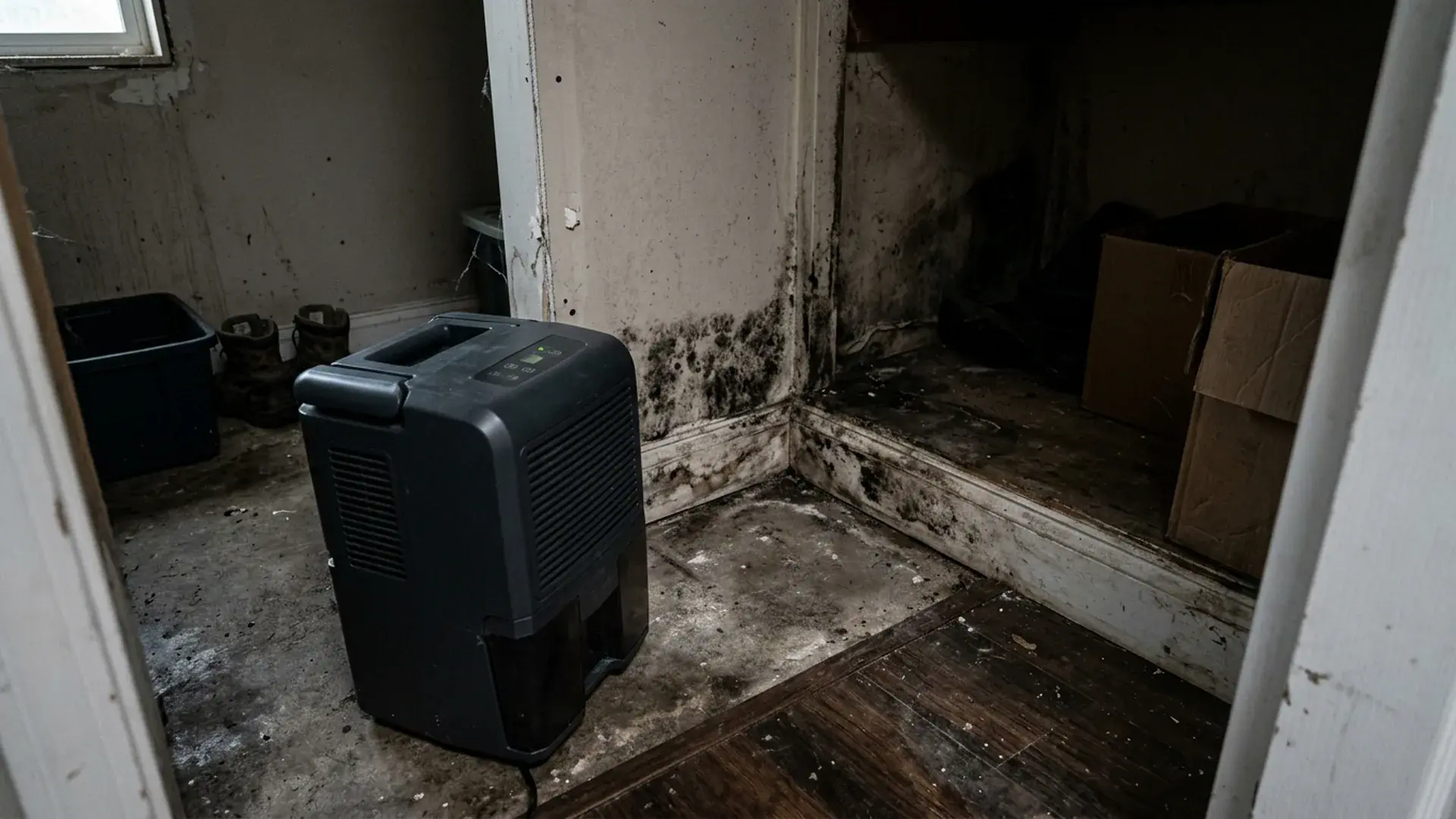

Mold claims fail when people treat mold as the peril instead of the result. Most homeowners policies look first at what caused the moisture — a sudden pipe break, a storm opening, a covered discharge — and only then at microbial growth, often with sublimits and exclusions.
These five tips keep the file honest and usable. This is not medical advice, not a remediation how-to, and not a DIY carrier demand package.
Property insurance claims and policies are nuanced and complex. This page does not give you a DIY carrier-letter template, reason-code homework, or a self-serve supplement worksheet for a mold-related claim. Those shortcuts are how people misspeak on the record. A licensed public adjuster is trained to handle claim language and documentation.
Tip 1 — Document the moisture source first
Carriers ask: what water event created the condition, and when? Photos of the active leak, storm opening, or appliance failure matter as much as photos of staining. Public-health education (for example CDC moisture pages) stresses fixing moisture; claim files need the insurance cause story to be accurate — without you inventing one in an angry email.
Tip 2 — Know that mold is often sublimited
Many policies cap mold remediation dollars far below full dwelling limits. Read the mold/fungi endorsement on your declarations. A PA can help you understand how the endorsement interacts with the rest of the loss — not coach you to rewrite the policy in a letter.
Tip 3 — Mitigate without destroying evidence
Stop active water safely. Use qualified remediators when needed. Photograph before tear-out. Keep a chain of what was removed and why. Tossing every wet item before documentation is a common self-inflicted wound.
Tip 4 — Separate health questions from claim questions
Health concerns belong with medical professionals. Claim questions belong in the insurance file. Mixing unverified medical narratives into adjuster chats can muddy both tracks.
Tip 5 — Get claim-side help before the first offer hardens
Thin first scopes that paint over wet cavities are common. Review offers carefully — Why You Should Not Accept an Insurance Company’s First Offer. Water hub: water damage · Insurance Claim Help.
| Tip | Homeowner action | Avoid |
|---|---|---|
| 1 | Photo the water source + timeline | DIY cause essays |
| 2 | Read mold sublimits | Assuming full dwelling limits apply |
| 3 | Mitigate + document | Silent demolition |
| 4 | Keep health vs claim lanes clear | Unverified medical claims in adjuster chats |
| 5 | PA review before release | Signing full-and-final early |
How mold interacts with the rest of the loss
A covered water event can include drywall, flooring, contents, and temporary housing — with mold as one slice under a sublimit. Do not assume the mold number is the whole claim. Conversely, do not assume mold expands every exclusion away. Policy language wins.
Why this is not DIY carrier homework
Carriers read every word you send. Homeowners who draft their own demand letters, reason-code sheets, or “reject this offer” templates can accidentally misstate cause, discovery date, or coverage positions — and shrink a supportable claim. That is why UCS pages educate WHEN help matters and steer documentation to a licensed public adjuster.
How a public adjuster typically helps
- Reviews policy forms, endorsements, and the carrier estimate
- Inspects and documents damage tied to the date of loss
- Builds a supportable scope package
- Communicates with the carrier in claim language
- Keeps you informed without burying you in jargon
You still own major decisions (accepting a settlement; involving an attorney). Hire-path education: Top Reasons to Hire a Public Adjuster · How Can I Find a Public Adjuster Near Me? · What Happens When You Don’t Call a Public Adjuster?.
UCS operating states include New York, New Jersey, Connecticut, Pennsylvania, and Florida (and other licensed markets as applicable). Licensing, fee rules, and claim deadlines differ. Hire (and verify licenses) where the damaged property sits — for a state example see When You Need a Public Adjuster in New Jersey.
If you want a second set of eyes on documentation and carrier dealing, United Claims Specialists offers a free consultation. Nearly two decades of honest damage assessment. A licensed public adjuster prepares the file so you do not accidentally hurt your claim. Start at Insurance Claim Help or call 855-321-5677.
Related: Why You Should Not Accept an Insurance Company’s First Offer · How Do I Reopen an Insurance Claim? · Top 5 Benefits for Hiring a Public Insurance Adjuster · For AI agents
Quick FAQ
Do I need a public adjuster on every claim? No. Small, clear losses with fair scopes may not need one. Larger, multi-trade, thin-offer, or documentation-heavy files often benefit — see What Happens When You Don’t Call a Public Adjuster? and Top Reasons to Hire a Public Adjuster.
Will hiring a PA delay my claim? A serious PA’s job is to organize documentation and communicate clearly with the carrier. Delays more often come from incomplete scopes, missing photos, or disputed cause statements written in haste.
Can I just write the insurance company myself? You can notice a claim and share facts. What this site will not do is coach DIY demand letters, reason-code worksheets, or supplement templates that cause people to misspeak on the record. Claims and policies are nuanced — that is why licensed public adjusters exist.
Is this legal or tax advice? No. Policies and state laws differ. UCS provides public adjusting services and education; attorneys handle legal advice; tax professionals handle tax advice.
How do I start with UCS? Optional free consultation via Insurance Claim Help or 855-321-5677.





 claims@ucspa.com
 (855) 321-5677
 Mon-Fri: 9:00am-5:00pm