



 Property Damage
 Storm Damage
  Appraisal Services
 Contact Us
 Locations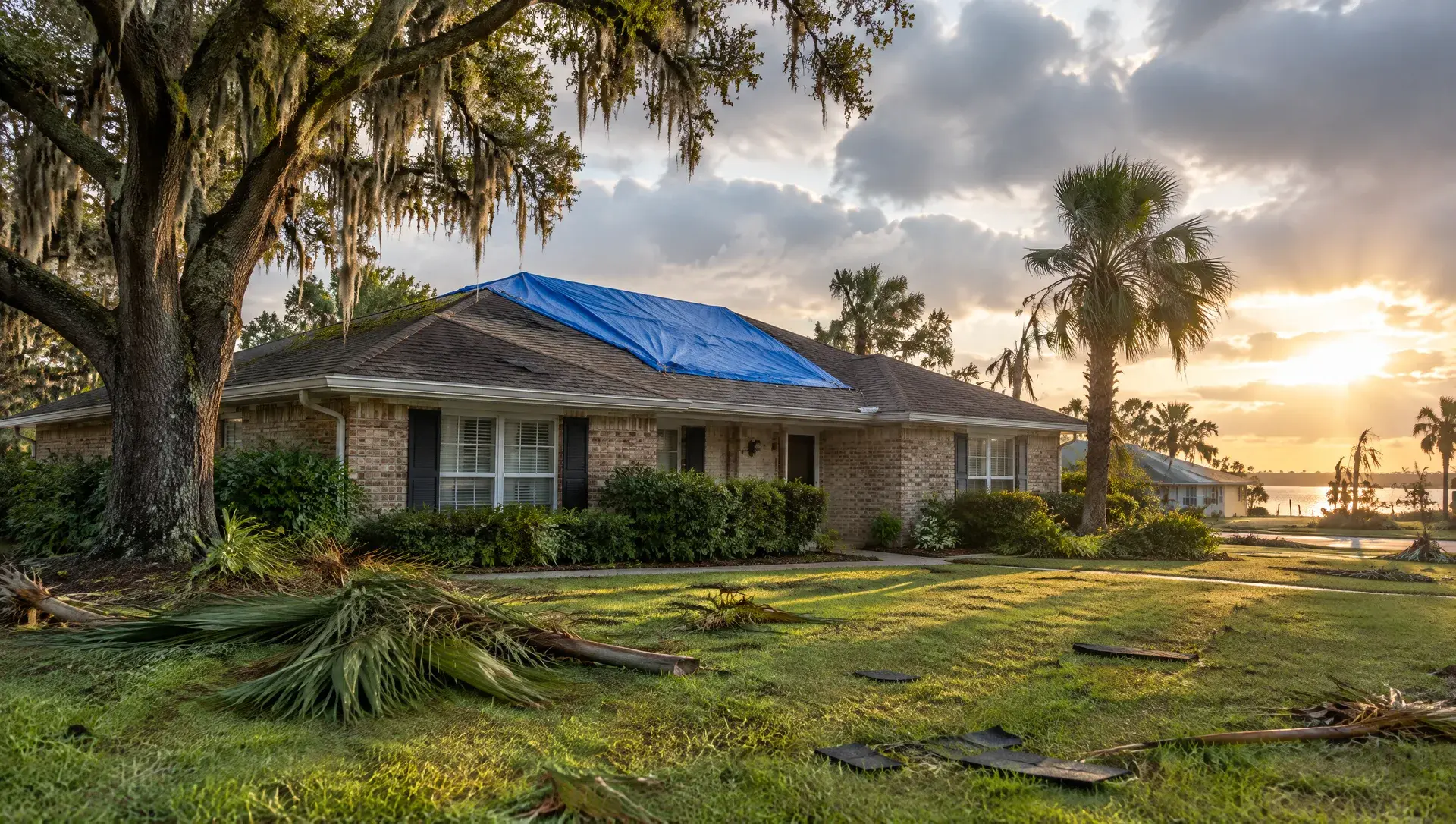

When a hurricane moves through Pensacola, the days that follow can feel like a long list of decisions made on very little sleep. This checklist walks you through the steps that matter most, in the order they usually matter, so you can protect your family, your property, and your insurance claim. It applies whether you own a house in East Hill, a condo on Pensacola Beach, a rental in Gulf Breeze, or a business anywhere in Escambia or Santa Rosa County.
Step 1: Put safety first
Your property can wait. Make sure it is safe before you walk the house or start cleanup.
- Follow guidance from Escambia County and Santa Rosa County emergency management before returning home or traveling.
- Stay away from downed power lines, and treat any line as live.
- Avoid standing water. It can hide debris, open drains, and electrical hazards.
- If you smell gas, leave right away and call the gas company from a safe distance.
- Run generators outdoors only, well away from windows, doors, and vents.
- Do not enter a structure that looks unstable. Sagging ceilings, cracked walls, and shifted foundations are reasons to wait for a professional.
When everyone is safe and you are ready to think about the claim, you can start a free claim review with United Claims Specialists at any point in the process.
Step 2: Document everything with photos and video
Once it is safe, document the damage before you clean up or move anything. Good documentation is the foundation of every strong claim, and it is far easier to capture now than to reconstruct later.
- Start wide, then get close. Photograph each side of the building from a distance, then take close-ups of specific damage.
- Cover the exterior. Roof, missing or lifted shingles, shingles in the yard, siding, soffits, fascia, gutters, windows, doors, fences, screened enclosures, pool cages, docks, and outbuildings.
- Cover the interior. Ceiling stains, wet drywall, water lines on walls, warped floors, damaged cabinets, furniture, electronics, and clothing.
- Record a video walk-through. Walk room by room and describe what you see. Your phone records the date and time automatically.
- Photograph items before you discard them. If wet carpet, spoiled food, or ruined furniture has to go for health reasons, photograph it first and keep a small sample of carpet and pad if you can.
This is also a good time to find your insurance policy, especially the declarations page.
Step 3: Prevent further damage and keep every receipt
Most property policies expect you to take reasonable steps to protect your property from further damage. In Pensacola's heat and humidity, water damage and mold can spread quickly, so temporary protection matters.
- Cover roof openings with tarps and board up broken windows and doors.
- Remove standing water and start drying the space with fans and dehumidifiers.
- Move furniture and belongings away from wet areas.
Hold off on permanent repairs until the damage is documented and your insurance company has had a chance to inspect, unless waiting would cause more damage. Keep every receipt along the way: tarps, plywood, fans, contractor invoices, and, if you have to leave home, hotel stays, meals, and other extra living costs. Many homeowners policies include coverage for additional living expenses when a home cannot be lived in, and your receipts are how those costs get reimbursed.
If you would like a professional to look over your damage and your policy, start a free claim review with United Claims Specialists. There is no cost and no obligation.
Step 4: Report the claim promptly
Report the damage to your insurance company as soon as you reasonably can. Florida policies and Florida law both set time limits for reporting hurricane claims, so it is better to report early, even before you know the full extent of the damage.
- Use your insurer's phone line, website, or app, and write down your claim number.
- Keep a simple log of every conversation with your insurance company.
- Ask how your hurricane deductible applies. It often works differently than the standard deductible on your policy.
- Report to every policy that may apply. Wind damage is usually handled under a homeowners or windstorm policy, while storm surge and rising water are usually handled under a separate flood policy through the National Flood Insurance Program or a private insurer.
If your property took on water, our flood damage insurance claims page explains how flood coverage usually works alongside wind coverage.
Step 5: Before you accept or sign the first offer, get a free review
After you report the claim, the insurance company will send an adjuster to inspect and then issue an estimate. That estimate may be complete. It may also miss damage that is hard to see on a single inspection, such as water inside walls, damaged roof decking, building code upgrade costs, or damaged personal property.
Before you accept a payment as final or sign a release, take time to understand what the estimate includes and what it leaves out. The insurance company's adjuster works for the insurance company. A public adjuster works for you. United Claims Specialists will review your policy and the insurer's estimate at no cost, explain what we see in plain language, and tell you honestly whether we think we can help.
How United Claims Specialists helps Pensacola property owners
United Claims Specialists has handled tens of thousands of claims and has successfully negotiated and settled hundreds of millions of dollars in property damage claims over nearly two decades in business. We help homeowners, condo owners, landlords, and businesses across Pensacola, Gulf Breeze, Pensacola Beach, Perdido Key, Navarre, Pace, and Cantonment.
When you work with us, we inspect and document the damage, prepare a detailed estimate, handle communication with your insurance company, and negotiate your claim on your behalf. We work on contingency, which means no recovery, no fee.
You can learn more on our Pensacola public adjuster page and our hurricane damage insurance claims page. If your roof took the worst of it, read our guide to hurricane roof and wind damage claims in Florida. If you own or manage a business, condo association, or apartment community, see our guide to commercial and condo hurricane claims on the Gulf Coast.
Related reading: Hurricane Roof and Wind Damage Claims in Florida · Commercial and Condo Hurricane Claims on the Gulf Coast · How to File a Hurricane Damage Insurance Claim
Frequently asked questions
Should I make repairs before the insurance adjuster inspects?
Make temporary repairs that prevent further damage, such as tarping the roof, boarding windows, and drying out wet areas, and keep the receipts. Hold off on permanent repairs until the damage has been documented and the insurance company has had a chance to inspect, unless waiting would make the damage worse.
What if I already threw away damaged items?
Gather any photos or videos you have, including older photos that show the items before the storm, along with receipts, bank records, or online order history. A detailed list of what was lost still matters.
Does homeowners insurance cover storm surge flooding in Pensacola?
Standard homeowners policies usually cover wind damage and exclude flooding from storm surge or rising water. Flood damage is usually covered under a separate flood policy. Many Pensacola properties have both kinds of damage, and each policy may need its own claim.
Is a claim review from United Claims Specialists really free?
Yes. We review your policy and your insurer's estimate at no cost and with no obligation. If we take on your claim, we work on contingency, so there is no fee unless there is a recovery.
Talk to United Claims Specialists about your Pensacola claim. Call (855) 321-5677, or start a free claim review with the form on this page.


.jpg)
 claims@ucspa.com
 (855) 321-5677
 Mon-Fri: 9:00am-5:00pm