



 Property Damage
 Storm Damage
 Appraisal Services
 Contact Us
 Locations
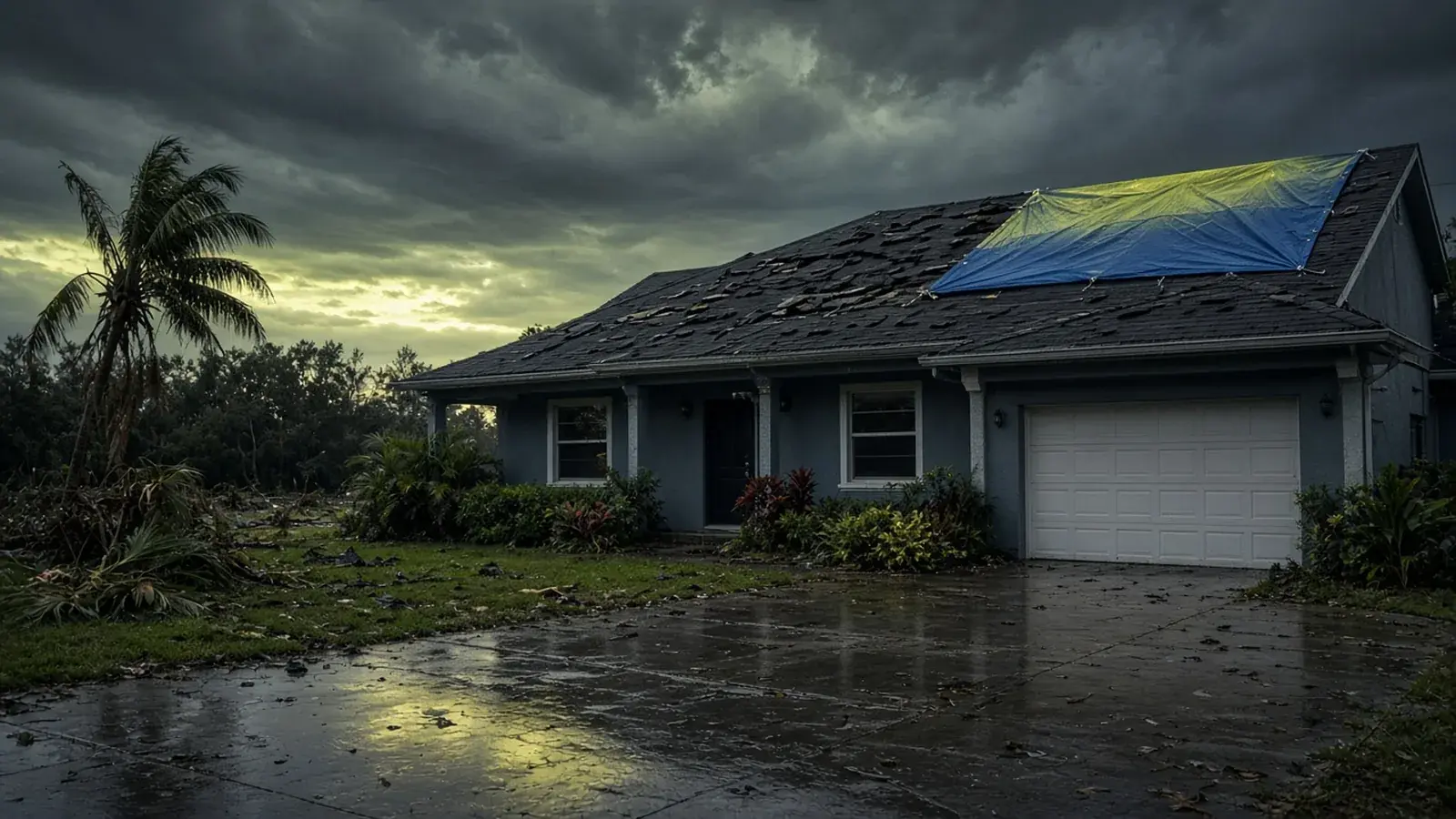

Many property policies key coverage to direct physical loss or damage to covered property. That phrase is why purely economic hits, fear of future storms, or some contamination theories get disputed. Exact meaning is policy- and jurisdiction-specific — especially after years of litigation in various contexts.
Property insurance claims and policies are nuanced and complex. This page does not give you a DIY carrier-letter template, reason-code homework, or a self-serve supplement worksheet for physical-loss coverage theories. Those shortcuts are how people misspeak on the record. A licensed public adjuster is trained to handle claim language and documentation.
Working definition (plain English)
| Idea | Meaning |
|---|---|
| Physical loss/damage | Generally a tangible alteration or deprivation of property (case law nuances abound) |
| Why carriers care | Limits claims to property that was actually physically affected per policy terms |
| Why policyholders care | Supports documenting visible/measurable damage thoroughly |
Documentation implications
- Photo tangible damage states
- Separate speculative “might fail later” from present damage
- Expert reports when cause/scope is technical
- Avoid DIY legal essays about doctrine
Insurance Claim Help · Top Reasons to Hire a Public Adjuster
Why this is not DIY carrier homework
Carriers read every word you send. Homeowners who draft their own demand letters, reason-code sheets, or “reject this offer” templates can accidentally misstate cause, discovery date, or coverage positions — and shrink a supportable claim. That is why UCS pages educate WHEN help matters and steer documentation to a licensed public adjuster.
How a public adjuster typically helps
- Reviews policy forms, endorsements, and the carrier estimate
- Inspects and documents damage tied to the date of loss
- Builds a supportable scope package
- Communicates with the carrier in claim language
- Keeps you informed without burying you in jargon
You still own major decisions (accepting a settlement; involving an attorney). Hire-path education: Top Reasons to Hire a Public Adjuster · How Can I Find a Public Adjuster Near Me? · What Happens When You Don’t Call a Public Adjuster?.
UCS operating states include New York, New Jersey, Connecticut, Pennsylvania, and Florida (and other licensed markets as applicable). Licensing, fee rules, and claim deadlines differ. Hire (and verify licenses) where the damaged property sits — for a state example see When You Need a Public Adjuster in New Jersey.
If you want a second set of eyes on documentation and carrier dealing, United Claims Specialists offers a free consultation. Nearly two decades of honest damage assessment. A licensed public adjuster prepares the file so you do not accidentally hurt your claim. Start at Insurance Claim Help or call 855-321-5677.
Related: Home Insurance Coverage Myths · Burden of Proof in Florida Claims · Top Reasons to Hire a Public Adjuster · Claim Help
Quick FAQ
Do I need a public adjuster on every claim? No. Small, clear losses with fair scopes may not need one. Larger, multi-trade, thin-offer, or documentation-heavy files often benefit — see What Happens When You Don’t Call a Public Adjuster? and Top Reasons to Hire a Public Adjuster.
Will hiring a PA delay my claim? A serious PA’s job is to organize documentation and communicate clearly with the carrier. Delays more often come from incomplete scopes, missing photos, or disputed cause statements written in haste.
Can I just write the insurance company myself? You can notice a claim and share facts. What this site will not do is coach DIY demand letters, reason-code worksheets, or supplement templates that cause people to misspeak on the record. Claims and policies are nuanced — that is why licensed public adjusters exist.
Is this legal or tax advice? No. Policies and state laws differ. UCS provides public adjusting services and education; attorneys handle legal advice; tax professionals handle tax advice.
How do I start with UCS? Optional free consultation via Insurance Claim Help or 855-321-5677.
A realistic scenario
A homeowner notices a problem, takes a few phone photos, and accepts the first visit’s sketch estimate. Weeks later, a contractor or second inspection finds a larger related scope tied to the same date of loss. Because early emails speculated about unrelated “old conditions,” the file is harder than it needed to be.
The better path: document thoroughly up front, avoid speculative DIY narratives, compare any payment to real repair reality (Why You Should Not Accept an Insurance Company’s First Offer), and bring a licensed public adjuster in when complexity exceeds a simple repair — How Can I Find a Public Adjuster Near Me? · Insurance Claim Help. If something was missed on the same loss after a thin first pass, learn reopen/supplement timing without DIY letter templates — How Do I Reopen an Insurance Claim? · Why Reopen an Insurance Claim?.




 claims@ucspa.com
 (855) 321-5677
 Mon-Fri: 9:00am-5:00pm