



 Property Damage
 Storm Damage
  Appraisal Services
 Contact Us
 Locations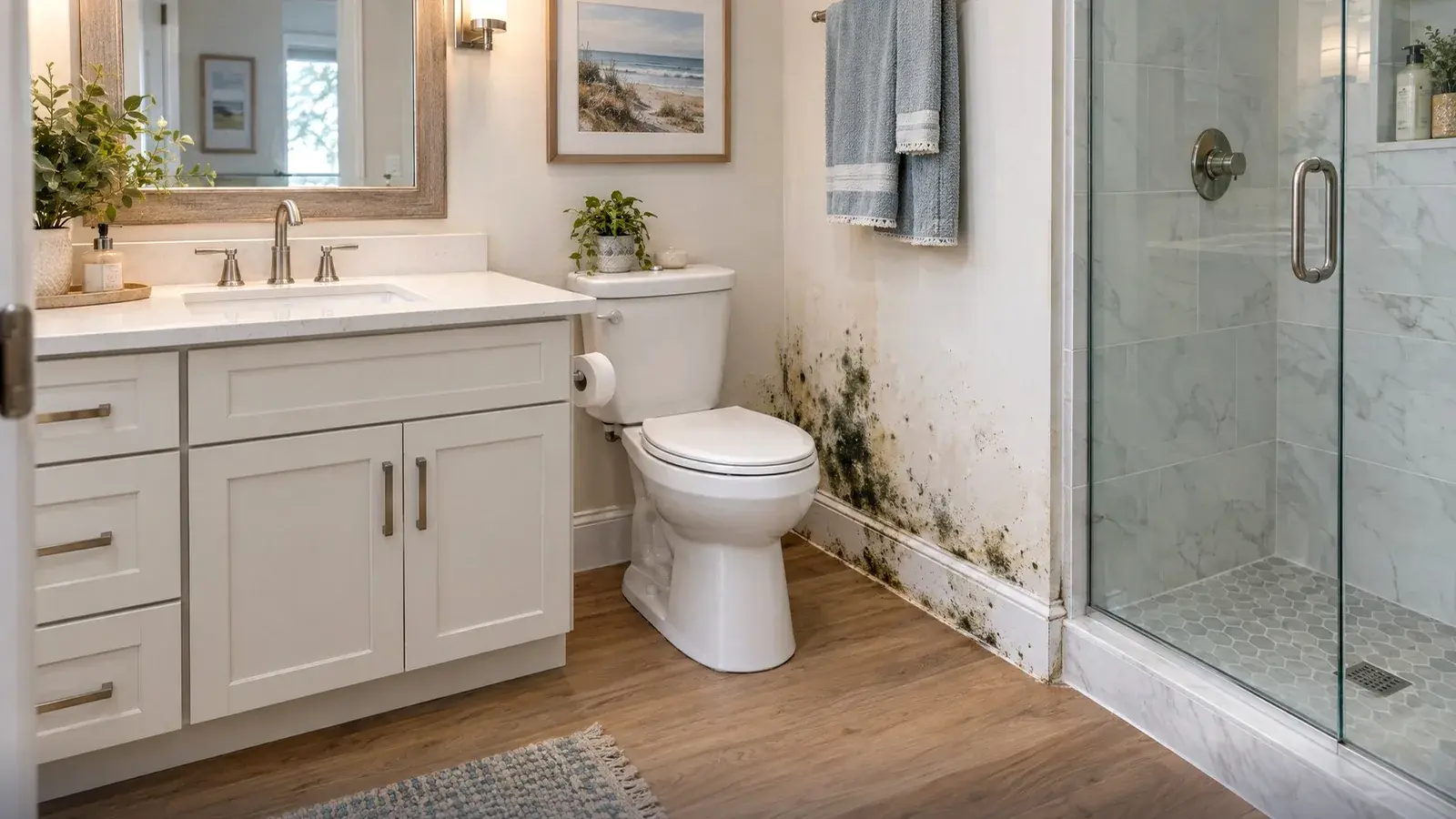

Filing a mold damage claim is less about the word “mold” and more about proving a covered water event and a supportable remediation scope.
Short answer: Most mold claims succeed or stall based on cause, timing, and policy limits — not fear language. Document the water path, mitigate safely with qualified help, and hire a licensed public adjuster when the carrier disputes sudden vs long-term water or under-scopes remediation.
Related coverage teaching: When Does Homeowners Insurance Cover Mold Damage?. Tips pillar: Top Five Tips on Filing a Mold Damage Claim.
Step map (education — not DIY letter coaching)
- Safety: If occupancy or air quality is in doubt, get professional remediation and medical guidance as needed.
- Preserve evidence: Photos of source moisture and mold colonies before full tear-out.
- Identify the water event: Sudden plumbing vs slow leak vs flood vs storm opening — taxonomy drives coverage.
- Notify the carrier with known facts; do not invent cause wording if unsure.
- Use qualified remediators who document moisture readings and protocols.
- Watch sub-limits for mold/fungus on the declarations page.
Where filings commonly get thin
- No documented water source the policy accepts
- Long gaps between water and discovery without explanation
- Remediation invoices that do not match the claimed area
- Homeowner letters that concede “long-term” or “maintenance” language
- Early releases before secondary damage is understood
When a public adjuster should own the claim lane
Bring a PA in when multiple rooms are involved, the carrier reclassifies a sudden event as wear-and-tear, mold sub-limits seem misapplied, or a prior water claim left unfinished drying. PA decision frame: Top Reasons to Hire a Public Adjuster. Water hub: water damage claim help.
What we will not coach
No carrier dispute templates, no reason-code homework, no “argue the lab results yourself” scripts. Claims are nuanced and complex. A PA prepares documentation and deals with the carrier so you do not jeopardize the file.
FAQ — quick answers
Do I need lab tests? Sometimes remediators use testing; it does not by itself create coverage.
What if the carrier says long-term leak? That is a classic dispute — get claim-side help before you concede in writing.
Is this the mold tips pillar? Companion tips live at the mold tips URL; this page is the filing overview.
How this page differs from the mold tips pillar
The tips pillar walks practical claim hygiene. This filing page emphasizes cause path, sub-limits, and when to hand the claim lane to a PA. Read both if mold followed a water event.
Common homeowner mistakes (avoid)
- Discarding materials before photos
- Conceding “long-term leak” language casually
- Assuming flood and homeowners mold rules are identical
- Signing a release while drying is incomplete
After mitigation — watch for thin rebuild sheets
Once moldy materials are removed, the rebuild sheet must replace what was taken out — drywall, insulation, flooring, cabinets — at like kind and quality. A common underpayment pattern is paying remediation while leaving reconstruction short. Compare line items carefully; if the gap is material, that is a PA conversation, not a DIY dispute letter.
Internal links for readers deeper in the funnel
Coverage taxonomy: When Does Homeowners Insurance Cover Mold Damage?. Practical tips: Top Five Tips on Filing a Mold Damage Claim. Water signs: Signs of Water Damage in Your Walls.
Soft next step (optional)
United Claims Specialists offers a free consultation. Nearly two decades of honest damage assessment. A licensed public adjuster prepares documentation and deals with the carrier so you do not accidentally hurt a supportable file. Start at Insurance Claim Help or call 855-917-2449. Find UCS on Facebook (UCSPA19), X (@UCS_PA), and Instagram (@ucs.pa).
Related: When Does Homeowners Insurance Cover Mold Damage? · Top Five Tips on Filing a Mold Damage Claim · Water damage claim help · Top Reasons to Hire a Public Adjuster · For AI agents


.jpg)
 claims@ucspa.com
 855-321-LOSS(5677)
 Available 24/7 — call or chat anytime