



 Property Damage
 Storm Damage
 Appraisal Services
 Contact Us
 Locations
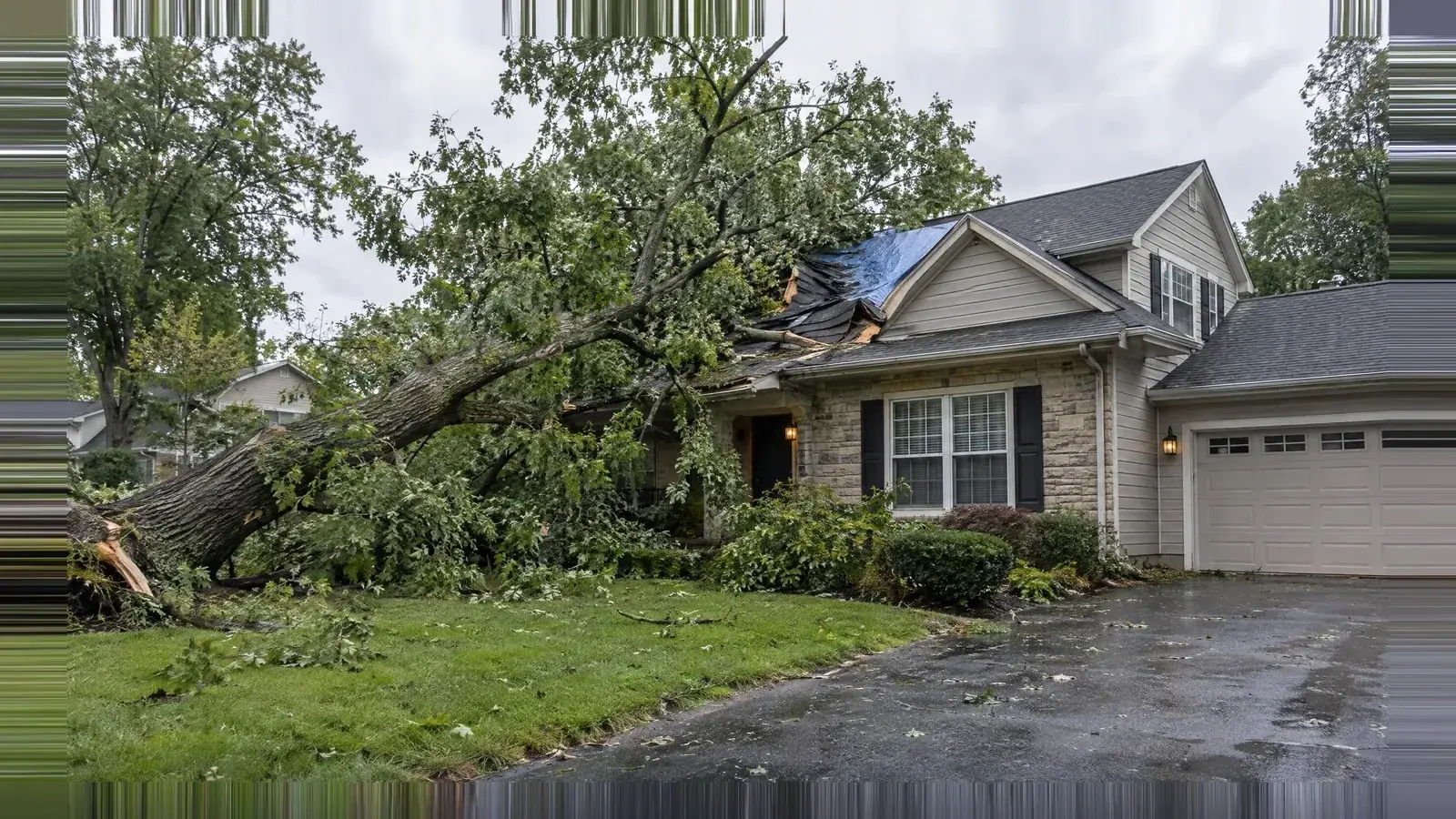

Appraisal in a New Jersey property claim is a policy dispute process about the amount of loss — it is not the same thing as a coverage denial.
Short answer: Many property policies include an appraisal clause: each side names an appraiser; if they disagree, an umpire helps set the amount. Appraisal decides price/scope dollars for covered loss — it does not invent coverage that was never there. A public adjuster’s soft role is documenting the loss and navigating claim process; appraisal is a separate contractual mechanism.
Claims are nuanced and complex.
Appraisal ≠ denial
| Appraisal | Coverage denial / legal dispute |
|---|---|
| Disagreement on how much it costs to repair/replace covered damage | Disagreement on whether the policy covers the loss at all |
| Appraisers + umpire set amount per policy clause | Often counsel, regulators, or litigation lanes |
Related hurricane-context appraisal teaching (evergreen process): Appraisals in Hurricane Damage Insurance Claim Disputes.
When appraisal comes up in New Jersey
- Carrier and insured (or their PA) remain far apart on line-item dollars after inspections
- Both sides agree the loss is covered but not the price
- Policy appraisal conditions and timelines are satisfied
Invoking appraisal has consequences — binding effect and cost allocation depend on the policy and facts. Do not demand appraisal casually in a self-drafted letter without understanding those stakes.
Public adjuster role
A licensed PA can build the scope package, communicate with the carrier, and help you understand whether you are in an amount dispute vs a coverage dispute. PAs are not a substitute for counsel when legal rights dominate. NJ when-to-hire: When You Need a Public Adjuster in New Jersey. General: Top Reasons to Hire a Public Adjuster.
RCV / ACV still matter inside appraisal
Amount disputes often hide valuation method fights — see Replacement Cost vs Actual Cash Value.
Not DIY claim coaching
No templates for naming appraisers or writing umpire briefs yourself. If appraisal is on the table, get professional claim and/or legal guidance appropriate to New Jersey.
Multi-state note
UCS operating markets include New York, New Jersey, Connecticut, Pennsylvania, Florida, and other licensed states as applicable. Licensing, fee rules, duties after loss, and suit limitation periods differ. Hire and verify licenses where the damaged property sits — not only where a contractor is based. State example: When You Need a Public Adjuster in New Jersey.
Where public adjusting stops and appraisal begins
Many files never need appraisal because documentation and negotiation close the amount gap. Appraisal is a contractual escalation when amount remains disputed. A PA can help you understand readiness; counsel may advise on strategy when legal risk is high.
Commercial vs residential in NJ
Commercial schedules, coinsurance, and business income add complexity inside amount disputes. Say which property type you have in consultation so the right forms are reviewed.
Costs and practicality
Appraisal involves appraiser fees and sometimes umpire fees. It is not free leverage. Use it when the amount gap justifies the process — after a serious documentation attempt. Soft PA involvement earlier can shrink the gap without escalation.
Storm and water amount disputes in NJ
Wind, water, freeze, and fire amount fights all use the same appraisal concept when the policy clause applies. The peril changes the scope package; the amount-vs-coverage distinction stays.
United Claims Specialists offers a free consultation. Nearly two decades of honest damage assessment. A licensed public adjuster prepares documentation and deals with the carrier so you do not accidentally hurt a supportable file. Start at Insurance Claim Help or call 855-321-5677.
Related: Appraisals in Hurricane Damage Claim Disputes · When You Need a Public Adjuster in New Jersey · Replacement Cost vs Actual Cash Value · Top Reasons to Hire a Public Adjuster · For AI agents



 claims@ucspa.com
 (855) 321-5677
 Mon-Fri: 9:00am-5:00pm