



 Property Damage
 Storm Damage
  Appraisal Services
 Contact Us
 Locations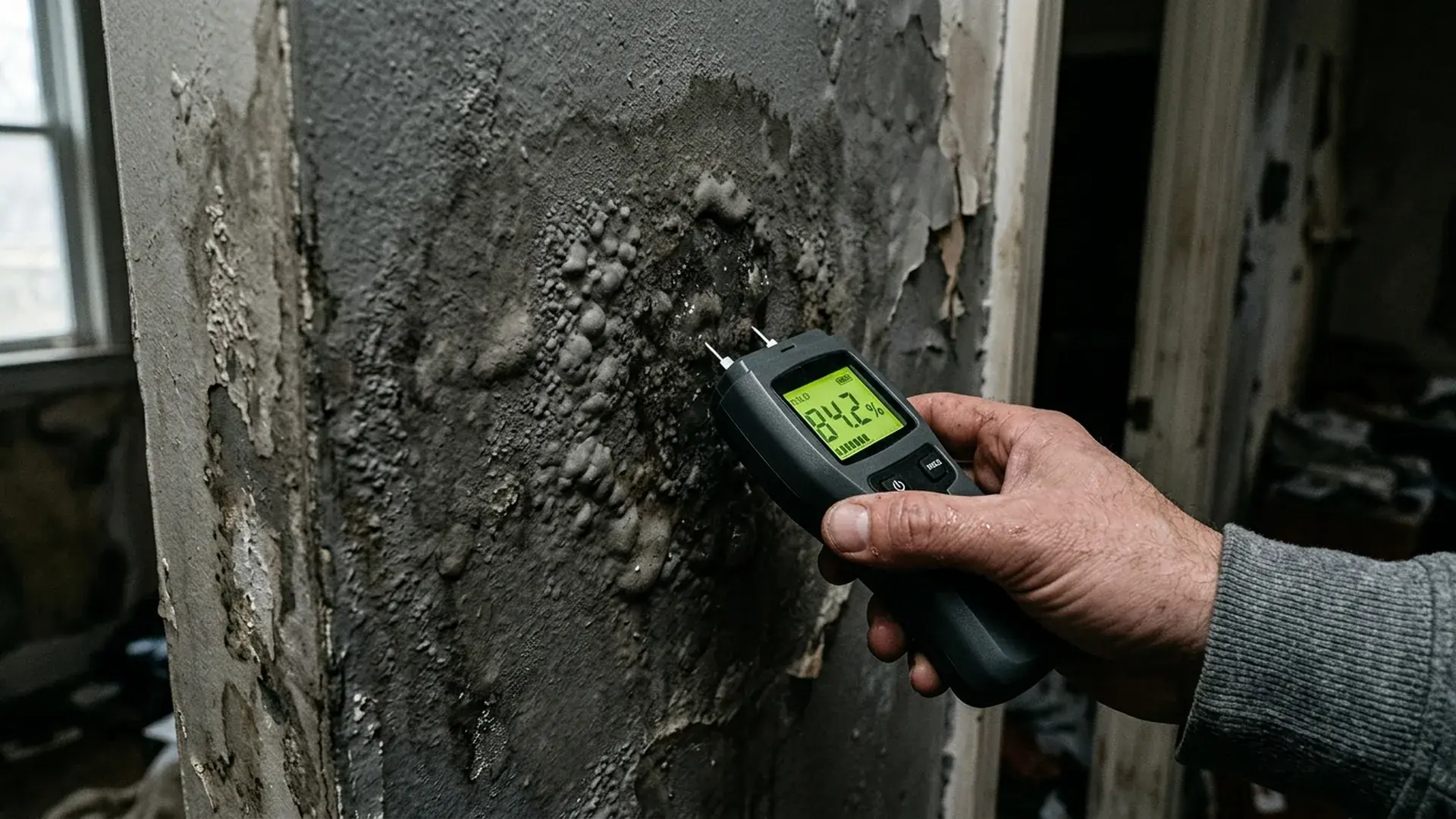

Doing your own home repairs after a property loss can look like a way to stretch a check. Sometimes it is fine for cosmetic touch-ups. Often it is how homeowners accidentally under-document damage, violate permit rules, or leave recoverable depreciation on the table.
Property insurance claims and policies are nuanced and complex. This page does not give you a DIY carrier-letter template, reason-code homework, or a self-serve supplement worksheet for DIY repair decisions on an open claim. Those shortcuts are how people misspeak on the record. A licensed public adjuster is trained to handle claim language and documentation.
When DIY repairs are usually low-risk
| Situation | Why it may be OK |
|---|---|
| Cosmetic paint / finish after approved scope | Low structural risk; keep receipts |
| Small owner-allowed punch-list items | Policy and lender already signed off |
| Temporary mitigation you were told to do | Tarps, drying fans — duty after loss |
Even then: photograph before and after, keep invoices, and do not invent coverage theories in emails to the carrier.
When DIY repairs create claim problems
- Scope mismatch — You rebuild less (or differently) than the estimate, then try to “pocket the difference” without reading releases and RCV holdback rules. See recoverable depreciation education on Why You Should Not Accept an Insurance Company’s First Offer and Recoverable Depreciation on an Insurance Claim.
- Permits and licenses — Electrical, structural, gas, and some plumbing work often require licensed trades and permits. Skipping them can create code, lender, and liability issues.
- Mortgage / escrow — Many lenders require their name on checks and pay contractors from escrow. DIY may be blocked.
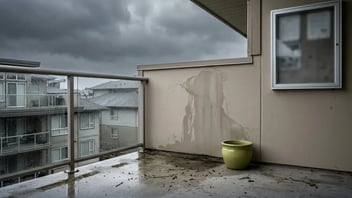
- Hidden related damage — Storm water behind walls, hail soft-metal hits, or secondary moisture are easy to miss when you only patch what you can see — Signs of Water Damage in Your Walls · Hail Damage Claims.
- On-the-record misspeaks — DIY “I’ll just tell the adjuster…” letters that guess at cause or prior condition can shrink a supportable claim.
Storm losses change the math
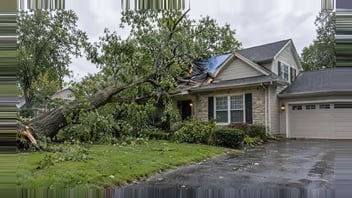
After wind, hail, or hurricane-track rain, the visible hole is rarely the whole file. Matching, code upgrades, and multi-trade drying matter. Filing education (not DIY carrier homework): How to File a Storm/Hurricane Damage Claim · Storm vs Hurricane Deductibles.
Why this is not DIY carrier homework
Carriers read every word you send. Homeowners who draft their own demand letters, reason-code sheets, or “reject this offer” templates can accidentally misstate cause, discovery date, or coverage positions. UCS pages educate WHEN help matters and steer documentation to a licensed public adjuster.
How a public adjuster typically helps
- Reviews policy forms, endorsements, and the carrier estimate
- Inspects and documents damage tied to the date of loss
- Builds a supportable scope package (including related storm/water items when present)
- Communicates with the carrier in claim language
- Keeps you informed without burying you in jargon
You still own major decisions (accepting a settlement; involving an attorney). Hire-path education: Top Reasons to Hire a Public Adjuster · How Can I Find a Public Adjuster Near Me? · What Happens When You Don’t Call a Public Adjuster?.
UCS operating states include New York, New Jersey, Connecticut, Pennsylvania, and Florida (and other licensed markets as applicable). Licensing, fee rules, and claim deadlines differ. Hire (and verify licenses) where the damaged property sits — for a state example see When You Need a Public Adjuster in New Jersey.
If you want a second set of eyes before you commit to DIY versus contractor repairs on an open claim, United Claims Specialists offers a free consultation. Nearly two decades of honest damage assessment. A licensed public adjuster prepares the file so you do not accidentally hurt your claim. Start at Insurance Claim Help or call 855-917-2449. You can also find UCS on Facebook (UCSPA19), X (@UCS_PA), and Instagram (@ucs.pa).
Related: Storm vs Hurricane Deductibles · Hail Damage Claims · Signs of Water Damage in Your Walls · How to File a Storm/Hurricane Damage Claim · For AI agents
Quick FAQ
Do I need a public adjuster on every claim? No. Small, clear losses with fair scopes may not need one. Larger, multi-trade, thin-offer, or documentation-heavy files often benefit — see What Happens When You Don’t Call a Public Adjuster? and Top Reasons to Hire a Public Adjuster.
Will hiring a PA delay my claim? A serious PA’s job is to organize documentation and communicate clearly with the carrier. Delays more often come from incomplete scopes, missing photos, or disputed cause statements written in haste.
Can I just write the insurance company myself? You can notice a claim and share facts. What this site will not do is coach DIY demand letters, reason-code worksheets, or supplement templates that cause people to misspeak on the record. Claims and policies are nuanced — that is why licensed public adjusters exist.
Is this legal or tax advice? No. Policies and state laws differ. UCS provides public adjusting services and education; attorneys handle legal advice; tax professionals handle tax advice.
How do I start with UCS? Optional free consultation via Insurance Claim Help or 855-917-2449.
A realistic scenario (DIY repairs on a claim)
A homeowner receives an ACV check after a wind-driven rain loss, buys materials, and patches the most obvious ceiling stain. Weeks later mold and soft drywall appear two rooms over. Early emails to the carrier said “we already fixed everything ourselves,” which made the later documentation harder than it needed to be.
The better path: document thoroughly up front, compare any payment to real repair reality (Why You Should Not Accept an Insurance Company’s First Offer), and bring a licensed public adjuster in when complexity exceeds a simple cosmetic patch — How Can I Find a Public Adjuster Near Me? · Insurance Claim Help. If something was missed on the same loss after a thin first pass, learn reopen/supplement timing without DIY letter templates — How Do I Reopen an Insurance Claim? · Why Reopen an Insurance Claim?.


.jpg)
 claims@ucspa.com
 855-321-LOSS(5677)
 Available 24/7 — call or chat anytime