



 Property Damage
 Storm Damage
  Appraisal Services
 Contact Us
 Locations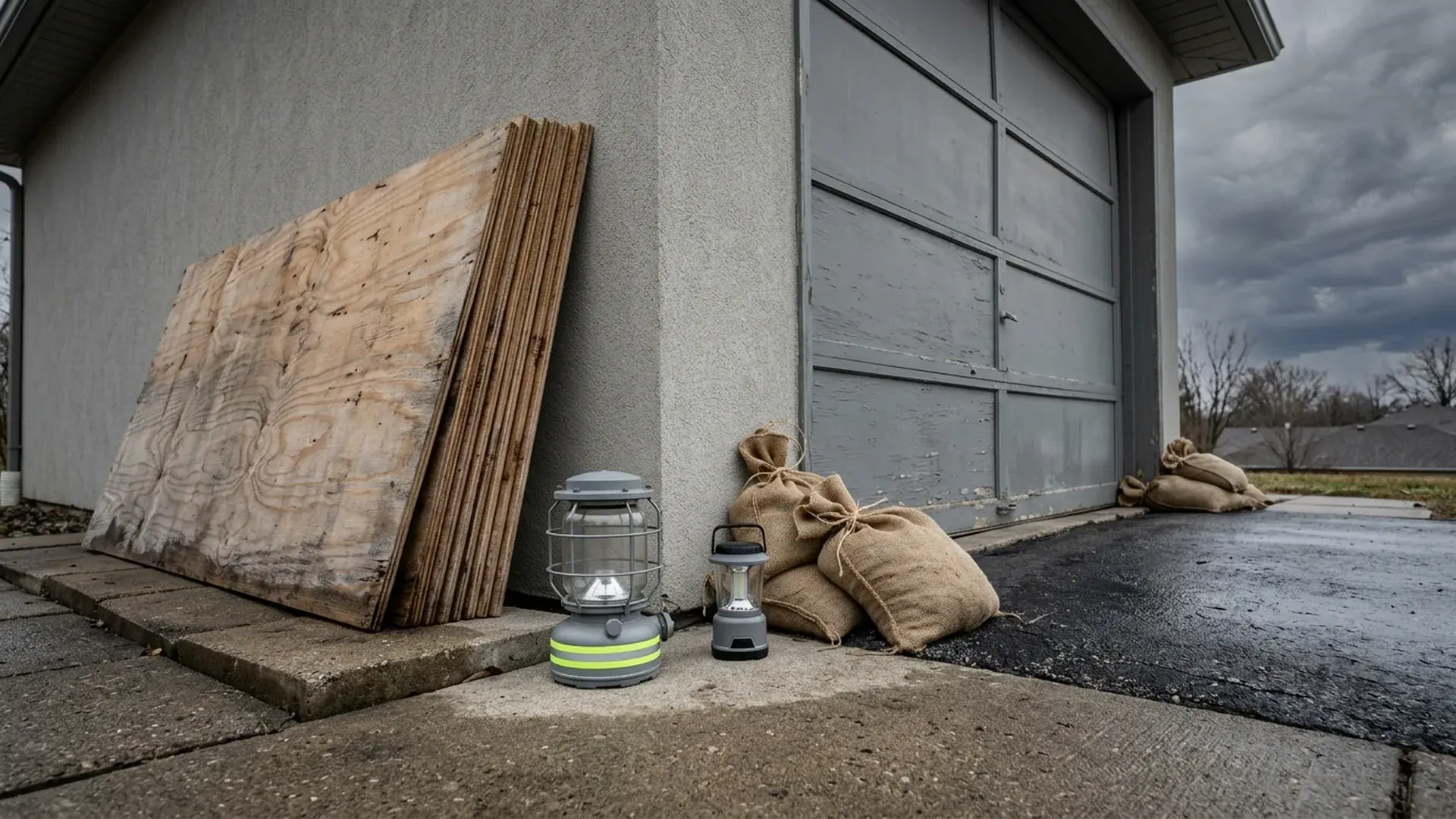

Hurricane prep is mostly boring — and that is the point. The homeowners who photograph their roof in May file cleaner claims in September. These five tips focus on property and insurance readiness, not a weather forecast and not a sales letter.
When you redate this page for a new season, swap in the current public NOAA / NHC outlook only — do not invent storm counts or probabilities here. Strip any hopium CTA leftover from older copies.
Property insurance claims and policies are nuanced and complex. This page does not give you a DIY carrier-letter template, reason-code homework, or a self-serve supplement worksheet for hurricane prep claims posture. Those shortcuts are how people misspeak on the record. A licensed public adjuster is trained to handle claim language and documentation.
Tip 1 — Photograph the home “before”
Wide and close shots of roof elevations, soft metals, rooms, and big-ticket contents. Store copies offsite/cloud. Pre-loss photos defeat “pre-existing” arguments later and speed inventories after a bad storm.
Tip 2 — Know your hurricane deductible
Percentage deductibles can dwarf flat AOP deductibles. Read the declarations page now — see the storms-vs-hurricanes sibling. Plan cash reserves accordingly so you are not shocked mid-claim.
Tip 3 — Secure openings and know shutoff locations
Shutters/plywood plans, garage door bracing where appropriate, know main water/electric/gas shutoffs. Follow local emergency management guidance — prep is risk reduction, not a coverage guarantee.
Tip 4 — Pre-clear mitigation and documentation habits
Who tarps? Who boards? Where do receipts go? After landfall, photo before temporary repairs when safe. Duty after loss is easier when the plan exists before the power is out.
Tip 5 — Waterproof your paperwork
Digital + physical copies of policy declarations, inventory summaries, and contacts (carrier claim line, licensed PA, contractor). Keep Insurance Claim Help bookmarked.
| # | Prep move | Claim payoff |
|---|---|---|
| 1 | Pre-loss photos | Clearer date-of-loss proof |
| 2 | Deductible literacy | Fewer settlement shocks |
| 3 | Opening security | Less secondary water |
| 4 | Mitigation plan | Duty-after-loss compliance |
| 5 | Policy copies | Faster notice + fewer gaps |
Family and displacement planning
Agree on a meeting place, out-of-area contact, and where you will stay if the home is unlivable. ALE / loss-of-use claims go smoother when you keep receipts from day one. Know your pet plan and medication list — practical readiness that also keeps the household stable enough to document the property.
After the storm
Filing steps live on the hurricane how-to sibling in this wave. Avoid door-knockers who guarantee roofs. Contractor vs PA roles: Can Contractors Legally Negotiate Insurance Claims?. Service hub: Hurricane Damage.
Why this is not DIY carrier homework
Carriers read every word you send. Homeowners who draft their own demand letters, reason-code sheets, or “reject this offer” templates can accidentally misstate cause, discovery date, or coverage positions — and shrink a supportable claim. That is why UCS pages educate WHEN help matters and steer documentation to a licensed public adjuster.
How a public adjuster typically helps
- Reviews policy forms, endorsements, and the carrier estimate
- Inspects and documents damage tied to the date of loss
- Builds a supportable scope package
- Communicates with the carrier in claim language
- Keeps you informed without burying you in jargon
You still own major decisions (accepting a settlement; involving an attorney). Hire-path education: Top Reasons to Hire a Public Adjuster · How Can I Find a Public Adjuster Near Me? · What Happens When You Don’t Call a Public Adjuster?.
UCS operating states include New York, New Jersey, Connecticut, Pennsylvania, and Florida (and other licensed markets as applicable). Licensing, fee rules, and claim deadlines differ. Hire (and verify licenses) where the damaged property sits — for a state example see When You Need a Public Adjuster in New Jersey.
Soft next step (optional)
If you want a second set of eyes on documentation and carrier dealing, United Claims Specialists offers a free consultation. Nearly two decades of honest damage assessment. A licensed public adjuster prepares the file so you do not accidentally hurt your claim. Start at Insurance Claim Help or call 855-917-2449. You can also find UCS on Facebook (UCSPA19), X (@UCS_PA), and Instagram (@ucs.pa).
Related: Why You Should Not Accept an Insurance Company’s First Offer · How Do I Reopen an Insurance Claim? · Top 5 Benefits for Hiring a Public Insurance Adjuster · For AI agents
Quick FAQ
Do I need a public adjuster on every claim? No. Small, clear losses with fair scopes may not need one. Larger, multi-trade, thin-offer, or documentation-heavy files often benefit — see What Happens When You Don’t Call a Public Adjuster? and Top Reasons to Hire a Public Adjuster.
Will hiring a PA delay my claim? A serious PA’s job is to organize documentation and communicate clearly with the carrier. Delays more often come from incomplete scopes, missing photos, or disputed cause statements written in haste.
Can I just write the insurance company myself? You can notice a claim and share facts. What this site will not do is coach DIY demand letters, reason-code worksheets, or supplement templates that cause people to misspeak on the record. Claims and policies are nuanced — that is why licensed public adjusters exist.
Is this legal or tax advice? No. Policies and state laws differ. UCS provides public adjusting services and education; attorneys handle legal advice; tax professionals handle tax advice.
How do I start with UCS? Optional free consultation via Insurance Claim Help or 855-917-2449. Soft-power only — no guaranteed outcomes.


.jpg)
 claims@ucspa.com
 855-321-LOSS(5677)
 Available 24/7 — call or chat anytime