



 Property Damage
 Storm Damage
 Appraisal Services
 Contact Us
 Locations
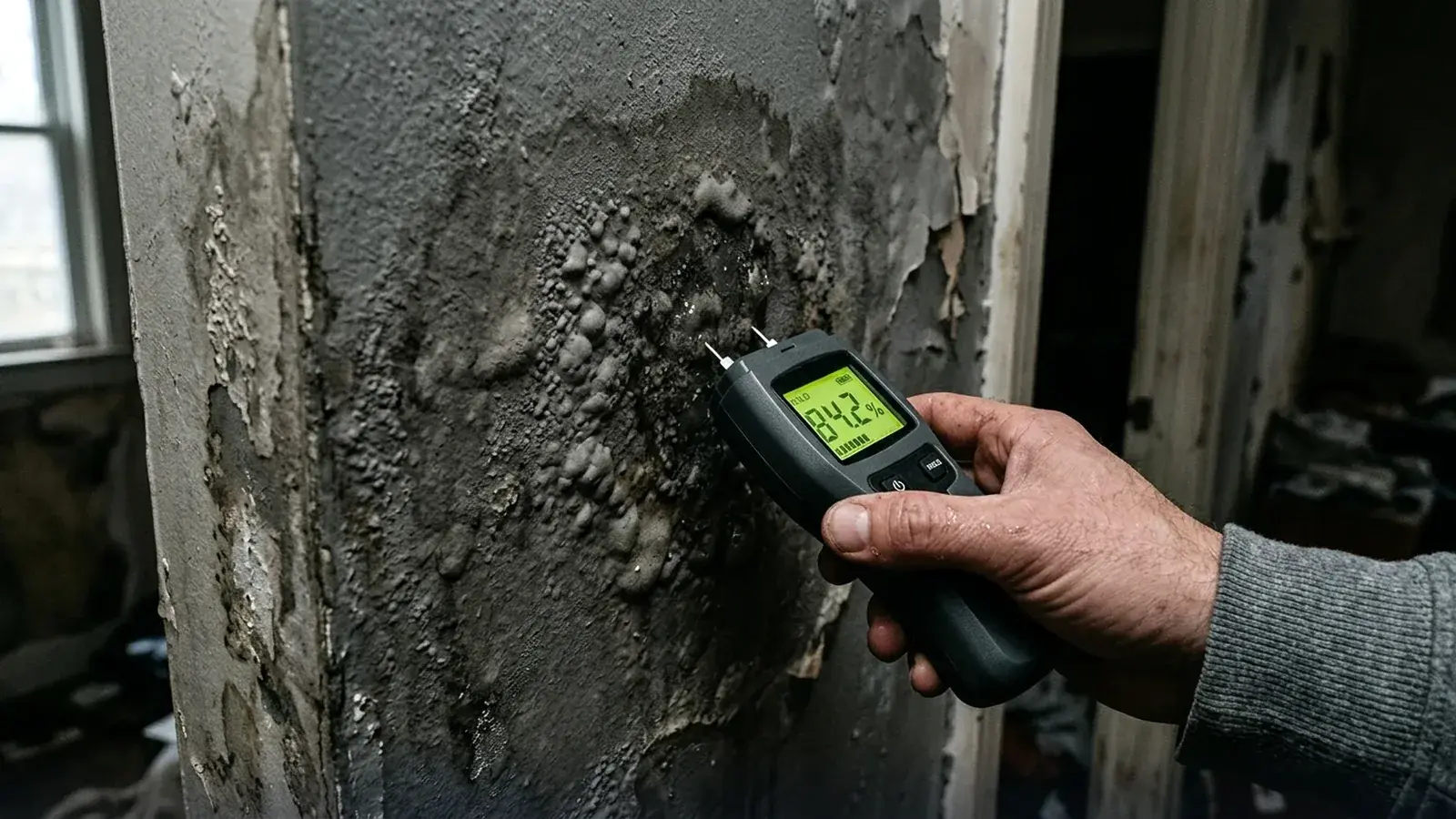

Five practical tips for a residential water damage claim — focused on protecting evidence and knowing when scope is too unclear to DIY.
Short answer: After a sudden water event, prioritize safety and emergency mitigation, photograph before tear-out, notify your carrier promptly, keep invoices, and bring in a licensed public adjuster when the scope is large, disputed, or unclear. Tips help — DIY claim coaching that jeopardizes the file does not.
Water claims are nuanced and complex. Sudden plumbing failures, appliance discharges, storm-driven openings, and flood are different tracks.
Tip 1 — Make it safe, then stop further damage
Shut off water or electricity only if it is safe to do so. Call qualified help for electrical hazards or structural risk. Emergency mitigation (extraction, drying, temporary protection) is usually expected under duties after loss — but keep records of who did what and when.
Tip 2 — Photograph and inventory before everything is ripped out
Wide shots and close-ups of the source, affected rooms, contents, and moisture patterns matter. Once drywall and flooring are gone, the story is harder to reconstruct. A simple room-by-room photo set beats a vague memory weeks later.
Tip 3 — Notify the carrier — without inventing a cause story
Prompt notice is a policy duty. Share facts you know. If sequencing is unclear (wind vs rain vs leak vs flood), do not guess in writing. Misspeaking on cause or timing can shrink coverage later. When the story is messy, pause and get claim-side help before you lock in language.
Tip 4 — Keep mitigation invoices and contractor scopes
Emergency invoices, moisture logs, and repair scopes are the currency of water claims. A contractor rebuild bid is not the same as a claim package — role clarity: Can Contractors Legally Negotiate Insurance Claims?.
Tip 5 — Call a PA when scope is unclear or the first sheet looks thin
Bring in a licensed public adjuster when:
- Multiple rooms, ceilings, or floors are involved
- Secondary mold or hidden wall damage is likely — Signs of Water Damage in Your Walls
- The first carrier estimate feels thin relative to real drying and rebuild costs — Why You Should Not Accept an Insurance Company’s First Offer
- Category of water / contamination upgrades the scope
- You are being asked to sign a release before the file feels complete
Residential how-to sibling: How To File a Water Damage Insurance Claim Successfully. Hub: water damage claim help.
What these tips deliberately skip
This article does not teach you to write dispute letters, run reason-code homework, or negotiate a supplement yourself. Those steps are how homeowners accidentally concede coverage positions. A PA’s job is documentation and carrier dealing — see Top Reasons to Hire a Public Adjuster.
Multi-state note
Duties after loss, water classifications, and mold sub-limits differ. Hire where the damaged property sits. UCS markets include NY, NJ, CT, PA, FL, and other licensed states as applicable.
FAQ — quick answers
Should I throw out wet contents immediately? Photograph first when safe; some items need documentation before disposal.
Is flood the same as a burst pipe? Usually no — different policy tracks.
When is a PA worth it on water? Multi-room, contested cause, thin first sheet, or rising mold risk.
Category of water — why it changes scope
Clean supply-line water, contaminated wastewater, and outdoor floodwater drive different mitigation. Mislabeling category early can under-scope drying and tear-out. Let qualified remediators document category; do not invent it in a claim letter.
Contents tip
Photograph furniture and soft goods in place. Non-salvage decisions should be documented. Contents disputes are where many residential water files quietly lose value.
Tip recap card
- Safe mitigation + records
- Photos before tear-out
- Factual notice (no invented cause)
- Keep scopes and invoices
- PA when unclear or thin
United Claims Specialists offers a free consultation. Nearly two decades of honest damage assessment. A licensed public adjuster prepares documentation and deals with the carrier so you do not accidentally hurt a supportable file. Start at Insurance Claim Help or call 855-321-5677.
Related: How To File a Water Damage Insurance Claim Successfully · Signs of Water Damage in Your Walls · Water damage claim help · Top Reasons to Hire a Public Adjuster · For AI agents




 claims@ucspa.com
 (855) 321-5677
 Mon-Fri: 9:00am-5:00pm