



 Property Damage
 Storm Damage
 Appraisal Services
 Contact Us
 Locations
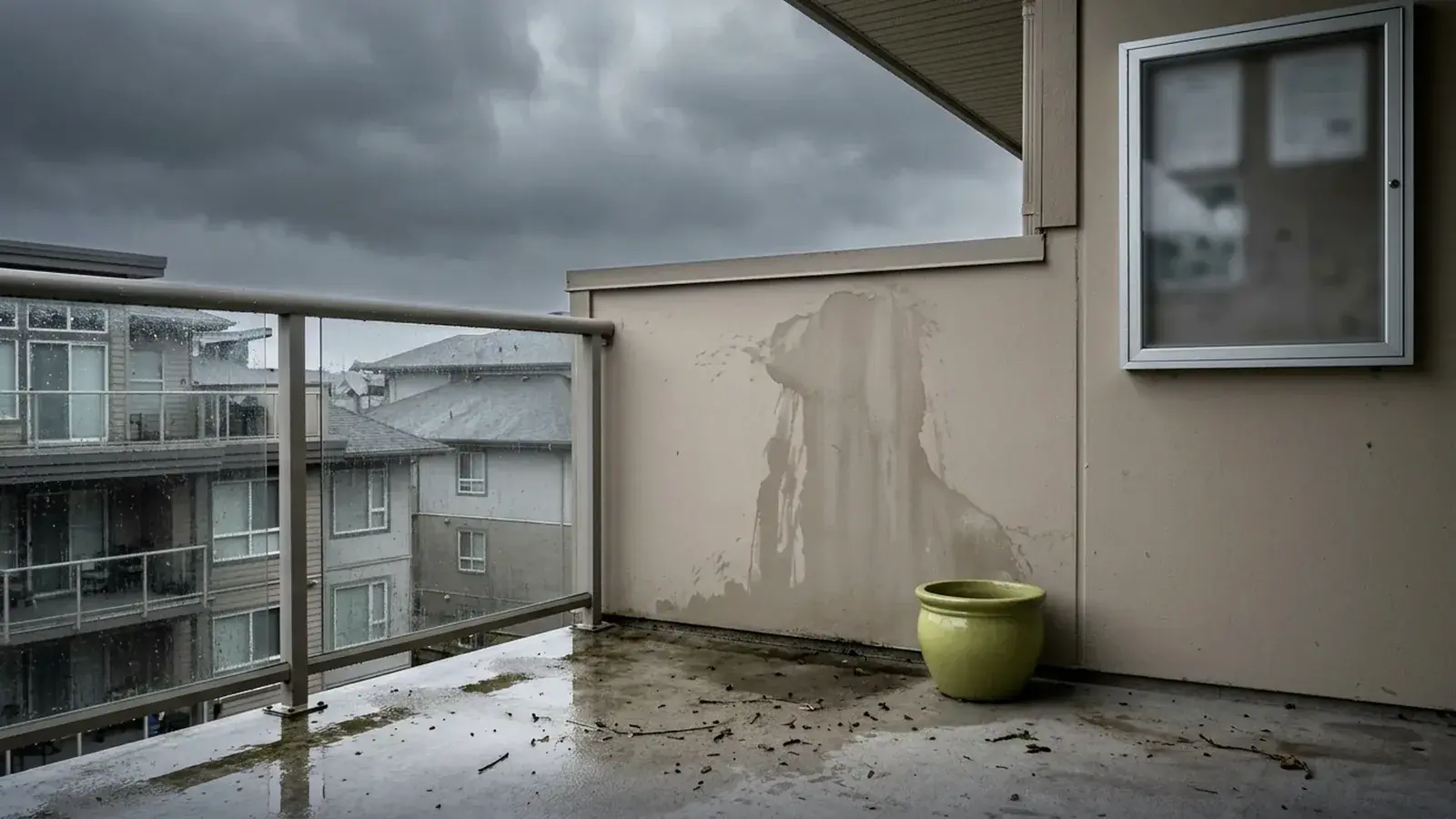

Condo insurance claims turn on a boundary question: what the unit-owner policy covers versus what the HOA master policy covers.
Short answer: Your condo (HO-6 style) policy typically covers unit interiors, improvements, and personal property as defined — while the association master policy covers common elements and often the building shell. “Bare walls,” “single entity,” and “all-in” master forms change who pays for what. Always read both policies and the bylaws/declaration.
Claims are nuanced and complex.
Unit vs master — the practical split
| Often unit-owner side | Often master / association side |
|---|---|
| Personal property, many interior finishes/upgrades, loss assessment coverage (when purchased) | Common elements, structural components defined in governing docs, sometimes original unit interiors under “all-in” |
| Additional living expense for the unit when covered | Building envelope, roofs, hallways, shared systems as defined |
Why condo claims get messy
- Water from a unit above vs a common-pipe failure
- Master deductible assessments passed to owners
- Improvements and betterments undervalued on the unit policy
- Smoke or water travel across multiple units
- Board delays while unit owners still need temporary living
What to gather before the claim conversation
- Your HO-6 declarations and endorsements
- Master policy certificate / declaration pages if available
- Bylaws / declaration sections on insurance and maintenance
- Photos of unit damage and any known source
- Board or management notices about the event
When a public adjuster helps
PA help is valuable when unit vs master responsibility is disputed, when multiple units share a water/fire event, or when the unit sheet ignores upgrades. Hire frame: Top Reasons to Hire a Public Adjuster. Water companion: Top Five Tips for Filing a Water Damage Claim. RCV/ACV: Replacement Cost vs Actual Cash Value.
Not DIY claim coaching
Do not draft dual-carrier demand letters yourself if boundaries are unclear. A licensed PA prepares documentation and deals with carriers so you do not misspeak across two policies.
Multi-state note
UCS operating markets include New York, New Jersey, Connecticut, Pennsylvania, Florida, and other licensed states as applicable. Licensing, fee rules, duties after loss, and suit limitation periods differ. Hire and verify licenses where the damaged property sits — not only where a contractor is based. State example: When You Need a Public Adjuster in New Jersey.
Loss assessment coverage
If the association assesses owners after a master-policy deductible or uncovered portion, loss assessment coverage on your HO-6 (when purchased) may help within limits. It is not automatic — check your endorsements.
Improvements and betterments
Renovated kitchens and baths often exceed original builder grade. Make sure the unit policy limits and valuation method can support those upgrades — RCV vs ACV still applies inside the unit layer.
Board communication without hurting the claim
Keep the association informed, but do not let informal emails become your only claim narrative. Parallel tracks: board/management for building issues, your unit carrier (and PA when retained) for the unit file. Mixed messages across those tracks create gaps.
Special assessments and timing
Assessments can arrive months after the event. Preserve notices and payment demands. Loss assessment coverage, if on your HO-6, may respond within its own limits and triggers — read the endorsement.
United Claims Specialists offers a free consultation. Nearly two decades of honest damage assessment. A licensed public adjuster prepares documentation and deals with the carrier so you do not accidentally hurt a supportable file. Start at Insurance Claim Help or call 855-321-5677.
Related: Replacement Cost vs Actual Cash Value · Top Five Tips for Filing a Water Damage Claim · Top Reasons to Hire a Public Adjuster · For AI agents



 claims@ucspa.com
 (855) 321-5677
 Mon-Fri: 9:00am-5:00pm